

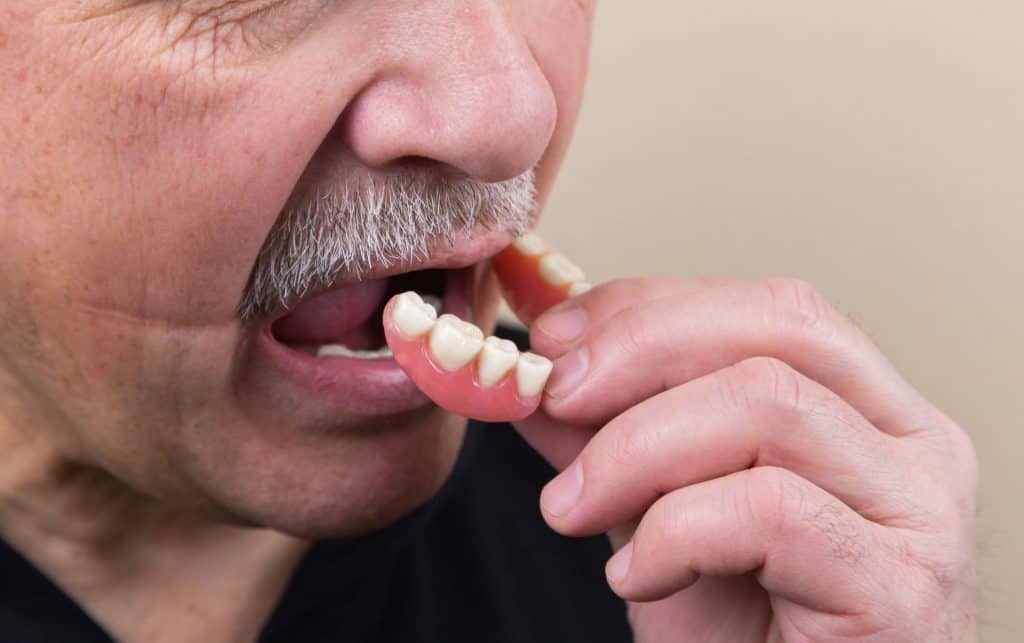

Common missing teeth complications and how to prevent them
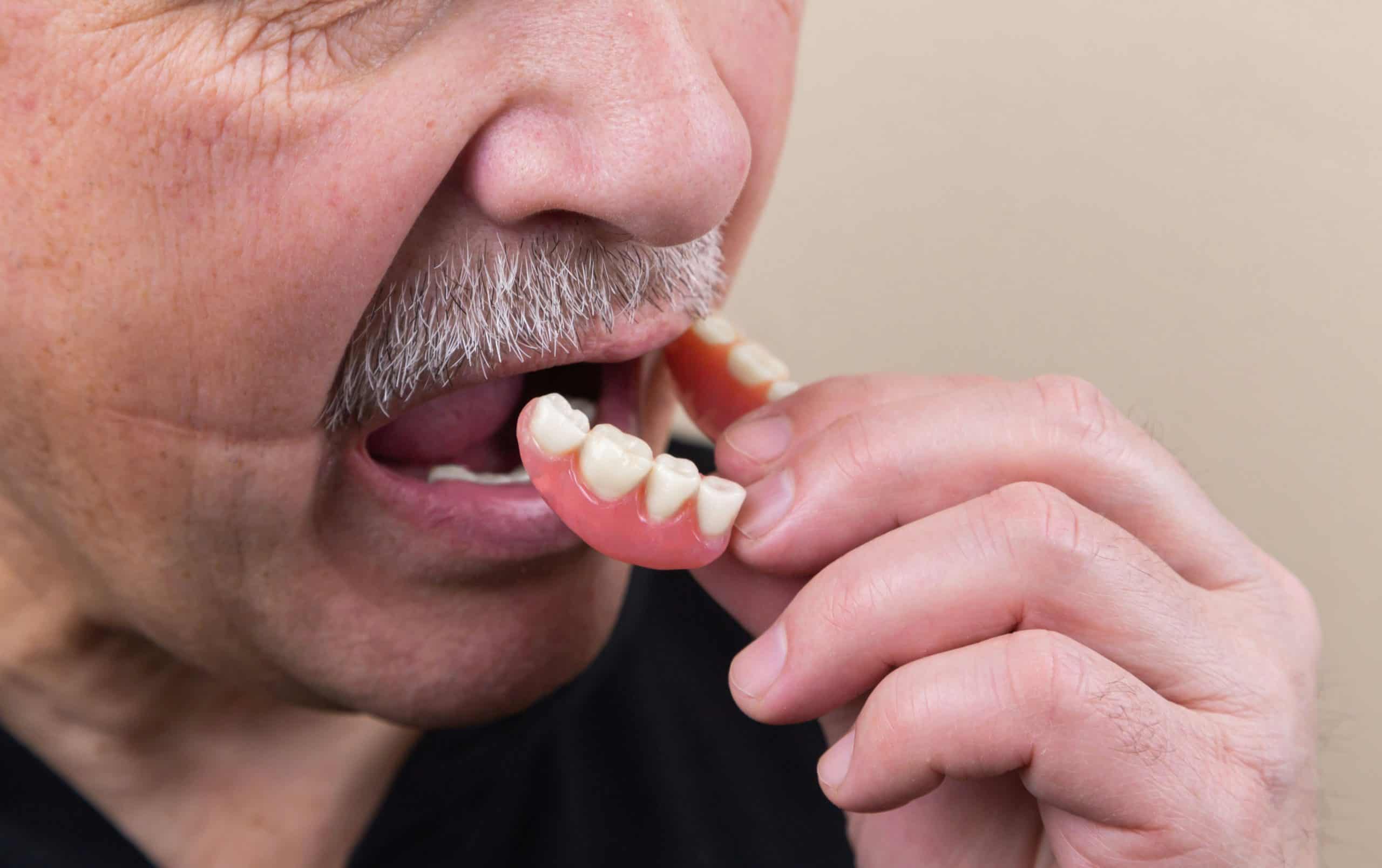
ing one or more teeth may seem like a localized dental issue, but the effects often extend far beyond the visible gap in your smile. Many people delay treatment because they can still eat, speak, or function relatively normally. However, untreated tooth loss can trigger a series of oral health problems that become increasingly difficult to address over time.
Understanding missing teeth complications can help you make informed decisions about your dental health and avoid long-term consequences that affect both function and appearance.
Why replacing missing teeth matters
Your teeth work together as a system. Each tooth helps support neighboring teeth, maintain proper bite alignment, and stimulate the jawbone during chewing.
When a tooth is lost, that balance is disrupted. Over time, missing teeth can affect your ability to eat comfortably, maintain healthy bone structure, and preserve the appearance of your smile.
The sooner missing teeth are addressed, the more options are typically available for restoring oral health.
The most common missing teeth complications
Tooth loss affects much more than aesthetics.
Shifting teeth and bite changes
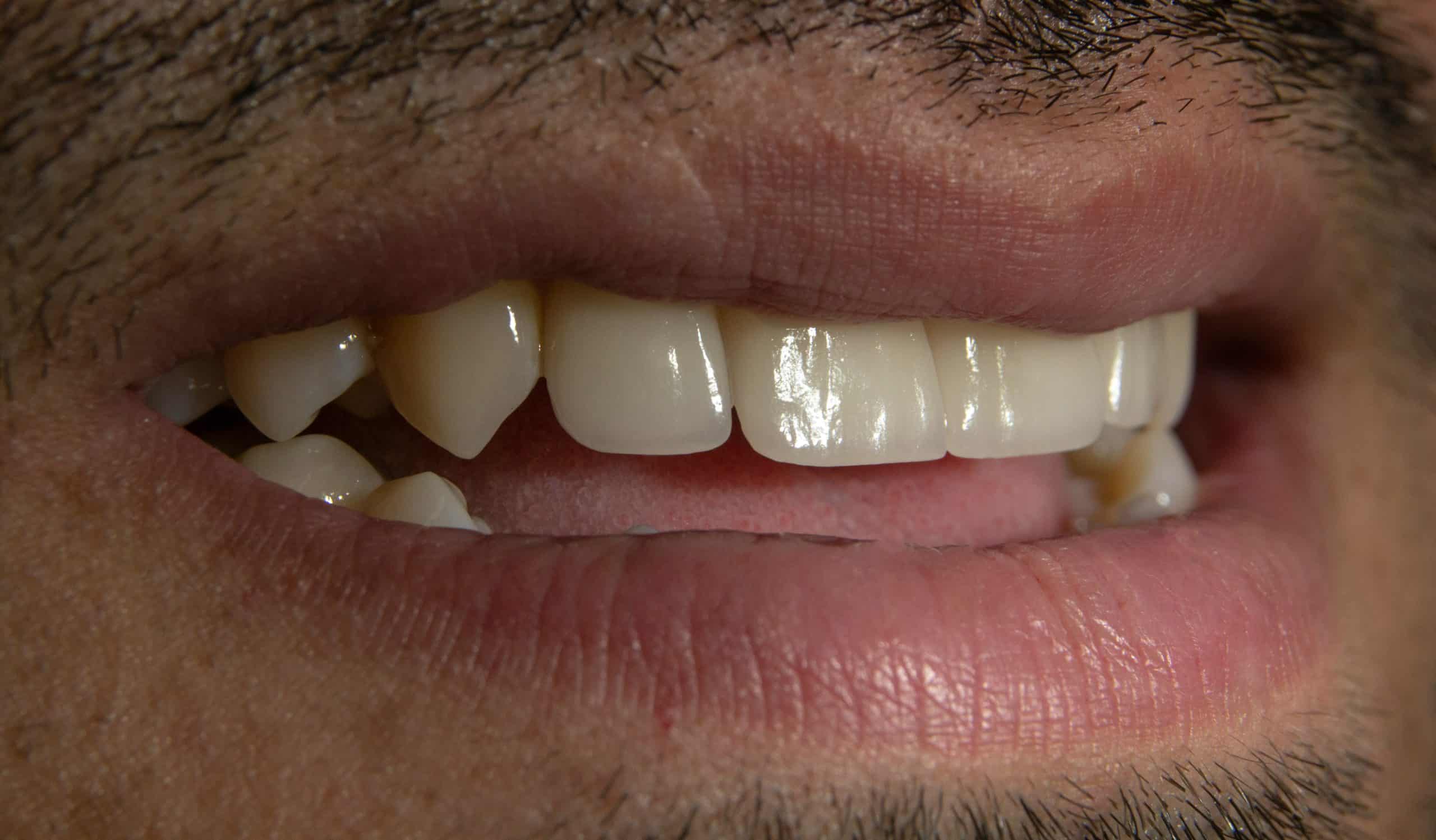
One of the earliest missing teeth complications occurs when neighboring teeth begin moving into the empty space.
Without proper support, teeth can gradually drift out of position, leading to:
- Crowding
- Uneven spacing
- Bite misalignment
- Increased wear on surrounding teeth
These changes can make oral hygiene more difficult and increase the risk of future dental problems.
Difficulty chewing certain foods
Missing teeth can reduce chewing efficiency and limit the types of foods you feel comfortable eating.
As a result, some people begin avoiding nutritious foods that require more chewing, such as fruits, vegetables, and lean proteins.
Over time, these dietary changes may contribute to nutritional deficiencies and overall health concerns.
Changes in speech
Teeth play an important role in pronunciation.
Certain missing teeth can affect the way air moves through the mouth, making it harder to pronounce specific sounds clearly. This can impact communication and confidence in social or professional settings.
Jawbone loss after tooth loss
One of the most serious consequences of untreated tooth loss is bone deterioration.
Why bone loss occurs
Natural tooth roots stimulate the jawbone every time you bite and chew.
When a tooth is lost, that stimulation disappears. The body begins to resorb bone tissue in the area because it is no longer needed to support a tooth.
This process contributes to some of the most significant missing teeth complications seen in long-term cases of tooth loss.
Effects on facial appearance
As jawbone volume decreases, the lower face may begin to lose structural support.
This can lead to:
- Sunken cheeks
- Premature facial aging
- Wrinkles around the mouth
- Changes in facial proportions
Many people are surprised to learn that tooth loss can directly influence their overall appearance.
Increased risk of gum disease
Gaps left by missing teeth can create areas where food particles and bacteria accumulate more easily.
This can increase the likelihood of:
- Plaque buildup
- Gum inflammation
- Periodontal disease
- Additional tooth loss
Because gum disease can further accelerate bone loss, it often worsens existing missing teeth complications.
Additional stress on remaining teeth
When teeth are missing, the remaining teeth must compensate for the lost function.
This increased workload may contribute to:
- Excessive wear
- Cracks and fractures
- Tooth sensitivity
- Bite problems
Over time, these issues can affect otherwise healthy teeth and create new dental concerns.
The emotional and social impact of tooth loss
Not all missing teeth complications are physical.
Many people experience:
- Reduced confidence
- Self-consciousness when smiling
- Social anxiety
- Reluctance to speak or laugh openly
The emotional effects of tooth loss can significantly impact quality of life and overall well-being.
Risk factors that increase missing teeth complications
Certain factors can make complications more likely to occur.
Delaying treatment
The longer a missing tooth remains untreated, the greater the chance that complications will develop.
Early intervention helps preserve bone structure and prevent shifting teeth.
Poor oral hygiene
Inadequate brushing, flossing, and routine dental care increase the risk of gum disease and additional tooth loss.
Smoking
Smoking negatively affects healing, circulation, and gum health, making it more difficult to maintain a healthy oral environment after tooth loss.

How to prevent missing teeth complications
Fortunately, there are effective ways to reduce the risks associated with tooth loss.
Schedule regular dental visits
Routine examinations allow dentists to identify problems early and monitor changes in oral health.
Maintain excellent oral hygiene
Consistent brushing, flossing, and professional cleanings help protect both natural teeth and supporting tissues.
Replace missing teeth promptly
One of the most effective ways to prevent complications is to replace missing teeth before significant bone loss and alignment changes occur.
Modern restorative dentistry offers several options depending on your needs and goals.
Treatment options for missing teeth
Many solutions can help restore function and appearance.
Dental bridges
Bridges fill gaps by anchoring artificial teeth to neighboring natural teeth.
Dentures
Removable dentures can replace multiple missing teeth and improve chewing ability and aesthetics.
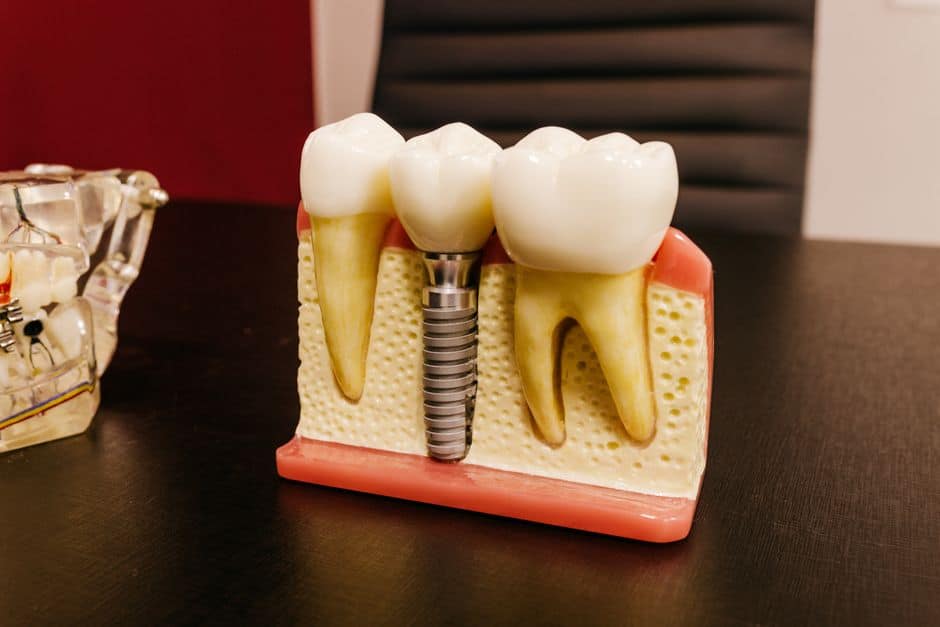
Dental implants
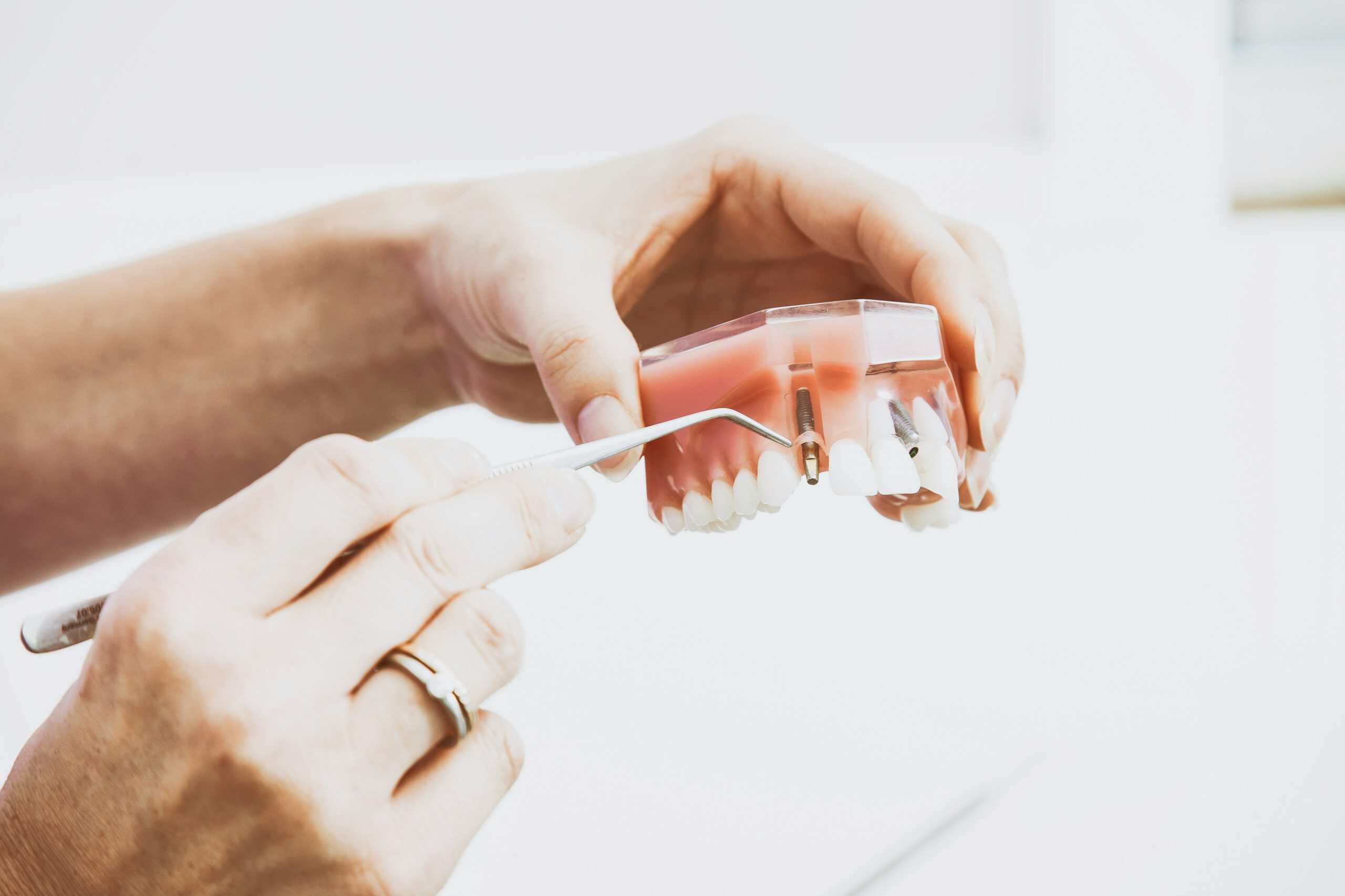
Dental implants are widely considered one of the most effective long-term solutions because they replace both the visible tooth and the root structure.
By stimulating the jawbone, implants can help prevent many missing teeth complications associated with bone loss and tooth movement.
Restore your smile before complications progress
Understanding missing teeth complications is essential for protecting your oral health, appearance, and quality of life. What may begin as a single missing tooth can eventually lead to bone loss, bite changes, gum disease, and additional dental concerns if left untreated.
Fortunately, modern restorative dentistry provides reliable solutions that can help prevent these issues while restoring comfort and confidence.
At Pacific Implant Center, we specialize in helping patients rebuild healthy, functional smiles through advanced implant dentistry. For individuals researching dental implants in Mexico, our team combines experienced specialists, state-of-the-art technology, and personalized treatment planning to deliver predictable, long-lasting results.
By replacing missing teeth early, patients can often avoid many of the long-term missing teeth complications discussed in this article while preserving their oral health for years to come. If you’re exploring options to restore your smile, Pacific Implant Center offers the expertise and comprehensive care needed to help you achieve lasting results.
Recent Posts
Dental implant healing stages from surgery to full recovery
Dental implant recovery week by week
Common missing teeth complications and how to prevent them
Early signs of gum disease you should never ignore
Phone
From the USA: 1-866-804-1877
USA Local: (619) 489 7022
From Mexico: (664) 634-0923
Business Hours
Moday – Friday: 9 – 5:30 pm.
Saturday: 9 – 1 pm.
Sunday: CLOSED.