


Dental implant recovery week by week
Getting dental implants is one of the most reliable ways to replace missing teeth, but the procedure is only the first step. A successful dental implant recovery depends on giving your body enough time to heal and following your dentist’s instructions throughout the process.
Although every patient heals at a different pace, knowing what to expect week by week can help you feel more confident and recognize what’s considered a normal part of recovery. From managing swelling during the first few days to watching the implant gradually fuse with your jawbone, each stage plays an important role in the long-term success of your treatment.
Here’s a closer look at how dental implant recovery typically progresses and what you can do to support the healing process.
How dental implants restore your smile
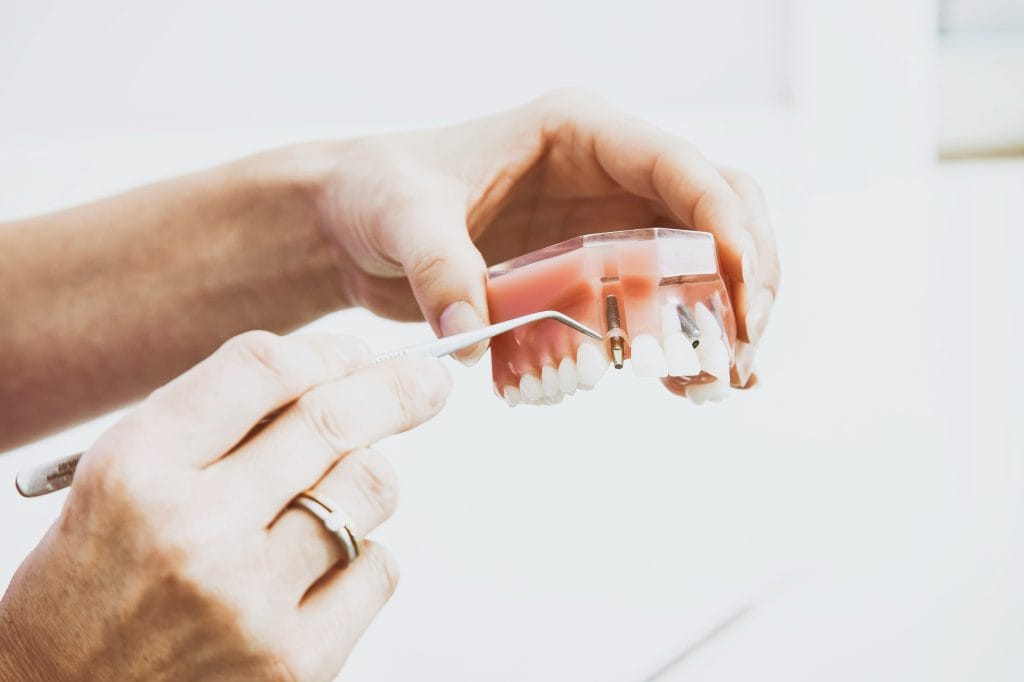
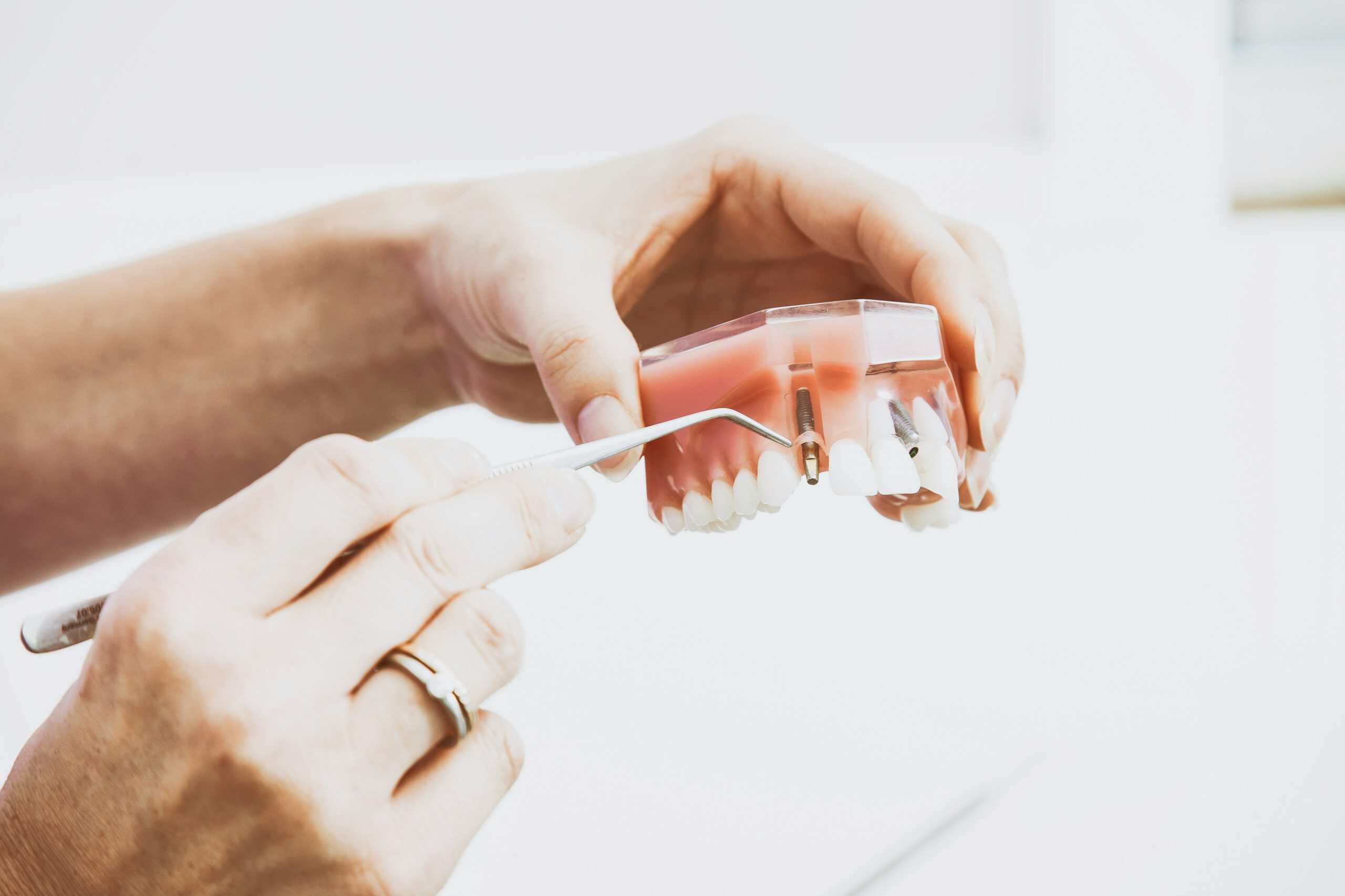
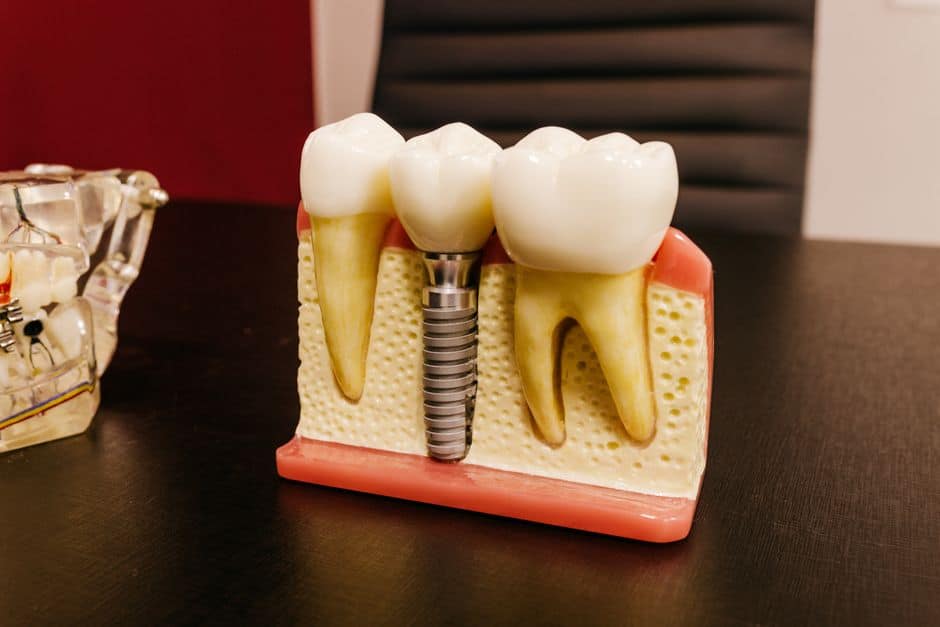
Dental implants are designed to replace both the root and the visible portion of a missing tooth. Unlike removable dentures or traditional bridges, implants are surgically placed into the jawbone, where they create a stable foundation for a custom dental crown.
A complete implant restoration includes three components:
- Implant post: A titanium post placed inside the jawbone that functions as an artificial tooth root.
- Abutment: A connector that attaches the implant to the final restoration.
- Dental crown: The custom-made tooth that restores appearance and function.
One of the reasons implants are so successful is a process called osseointegration, where the jawbone naturally grows around the titanium post. This biological bond creates exceptional stability and is one of the most important milestones during dental implant recovery.
Preparing for implant surgery
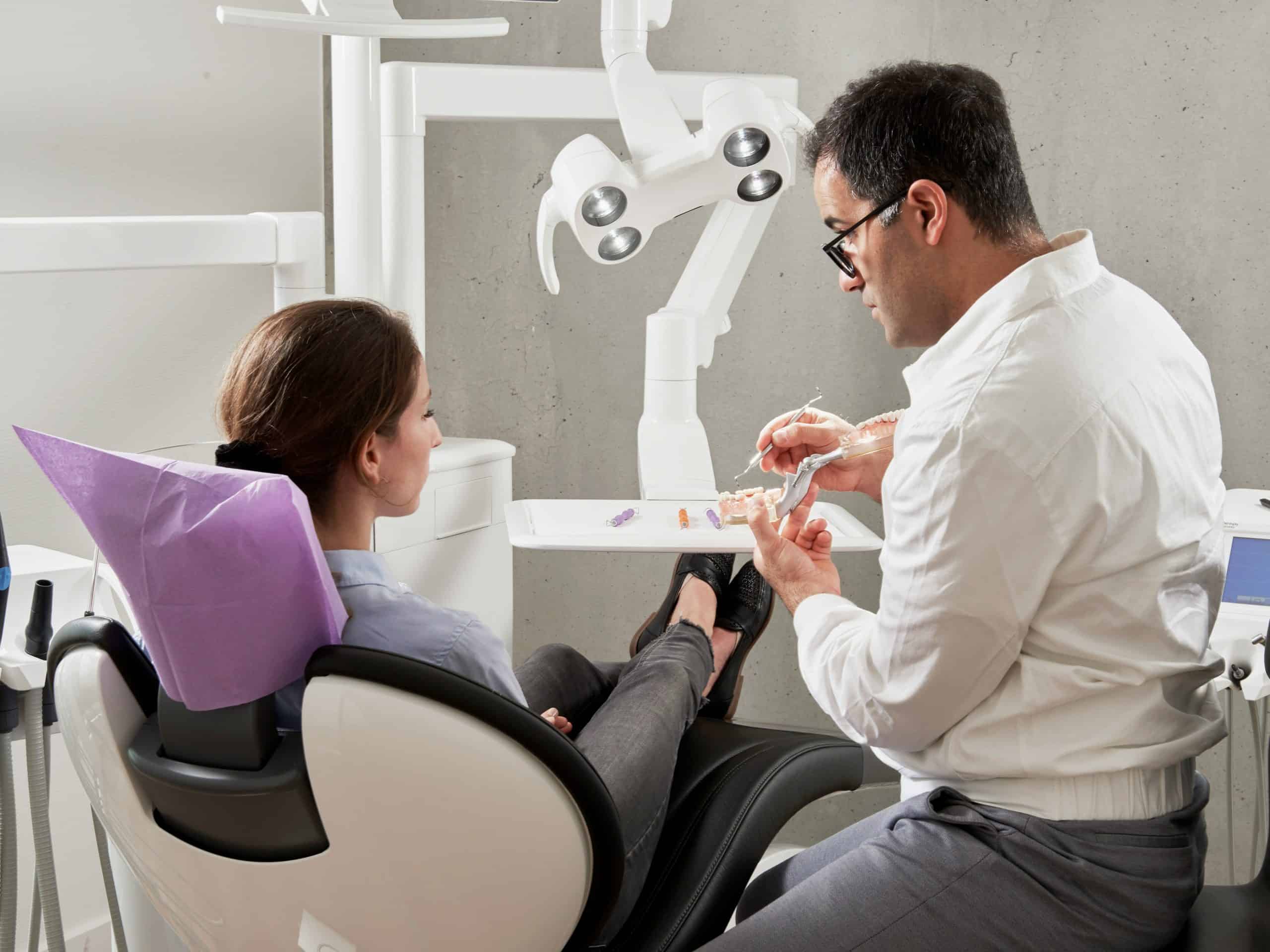
Before treatment begins, your dentist will perform a comprehensive examination that may include digital X-rays or a 3D CT scan. These images help evaluate bone density, identify important anatomical structures, and determine the ideal implant position.
Some patients may require additional procedures, such as bone grafting or tooth extractions, before implant placement. Your personalized treatment plan will outline every step, estimated healing times, and recommendations for a smooth dental implant recovery.
The procedure itself is typically performed under local anesthesia, although sedation options may also be available for patients who feel anxious or require multiple implants.
Week 1: The most important stage of dental implant recovery
The first few days are often the most noticeable part of dental implant recovery. Mild swelling, tenderness, bruising, and slight bleeding are all expected as your body begins repairing the surgical site.
Most patients find that discomfort peaks within the first 48 hours and gradually improves over the following days.
To help your recovery:
- Apply ice packs during the first 24 hours.
- Take prescribed medications exactly as directed.
- Rest and avoid strenuous exercise.
- Sleep with your head slightly elevated.
- Avoid smoking or drinking alcohol.
Eating during the first week
Choosing the right foods can prevent unnecessary irritation while supporting healing. Stick to soft, nutrient-rich meals such as:
- Yogurt
- Smoothies (without using a straw)
- Mashed potatoes
- Scrambled eggs
- Oatmeal
- Soups that have cooled slightly
- Applesauce
Avoid crunchy, spicy, sticky, or extremely hot foods that could disturb the surgical site.
Keeping your mouth clean
Maintaining excellent oral hygiene is essential during dental implant recovery, but it’s important to be gentle. Brush the surrounding teeth carefully while avoiding direct contact with the implant site during the first few days.
Your dentist may also recommend warm saltwater rinses or an antimicrobial mouthwash to reduce bacteria and promote healthy healing.
Week 2: Swelling begins to improve
By the second week, most patients notice significant improvements in comfort. Swelling and bruising usually begin to disappear, and daily activities become much easier.
At this point in dental implant recovery, the soft tissues surrounding the implant continue repairing themselves. While you may feel much better, healing beneath the gums is still taking place, so it’s important not to rush back to your normal routine.
You can gradually introduce slightly firmer foods if your dentist approves, but continue avoiding anything that places excessive pressure on the implant area.
Signs that healing is progressing normally include:
- Less swelling each day
- Minimal tenderness
- Healthy pink gum tissue
- No persistent bleeding
- Improved comfort while eating soft foods
If swelling suddenly worsens or severe pain develops after several days of improvement, contact your dental provider promptly.
Week 3: Monitoring progress
Around the third week, many patients attend a follow-up appointment so the dentist can evaluate the healing process. This visit allows the dental team to ensure everything is progressing as expected before osseointegration continues over the coming months.
During this stage of dental implant recovery, you may barely notice the implant in your mouth. Most of the initial discomfort has resolved, although the implant itself is still becoming firmly integrated with the surrounding bone.
Your dentist will examine the surgical site, check for any signs of infection, and answer questions about diet, physical activity, or oral hygiene.
This is also a good time to discuss any lingering sensitivity. While mild tenderness can still be normal, persistent pain, excessive swelling, or mobility of the implant should always be evaluated promptly.
Week 4: Osseointegration continues
By the fourth week, the most visible part of dental implant recovery is often complete, but healing inside the jaw is still underway.
The implant continues bonding with the surrounding bone through osseointegration, a process that can take several months depending on your overall health, bone quality, and whether additional procedures such as bone grafting were performed.
Although you may already feel fully recovered, it’s still important to follow your dentist’s recommendations, attend scheduled checkups, and avoid habits that could interfere with healing.
Patients who carefully follow post-operative instructions during this period give their implants the best possible chance for long-term success.
Weeks 5–8: Returning to your normal routine
By this stage, most of the visible signs of dental implant recovery have disappeared. Your gums should feel much more comfortable, and everyday activities like eating, speaking, and brushing your teeth become easier.
Even though you may feel back to normal, healing is still taking place beneath the surface. The implant continues to bond with the jawbone, so it’s important to avoid habits that could interfere with this process, such as smoking or chewing excessively hard foods directly on the implant area if your dentist has advised against it.
During this phase, continue practicing excellent oral hygiene and attend any scheduled follow-up appointments so your dentist can monitor your progress.
Months 2–3: Bone healing continues
One of the most important milestones in dental implant recovery happens during the second and third months after surgery. While you may not notice many physical changes, your jawbone is actively strengthening its connection with the titanium implant through osseointegration.
This biological process is what makes dental implants so durable. As the bone grows around the implant, it creates a stable foundation that can support a replacement tooth for many years with proper care.
Most patients experience little to no discomfort during this stage. However, maintaining good oral hygiene, eating a balanced diet, and attending follow-up visits remain essential to ensure everything is healing as expected.
Months 3–6: Preparing for your final restoration
For many patients, this is the final stage of dental implant recovery. Once your dentist confirms that osseointegration is complete, the implant is ready to support the permanent restoration.
Depending on your treatment plan, the next steps may include:
- Placing the abutment that connects the implant to the crown.
- Taking digital impressions for your custom restoration.
- Securing the final dental crown, bridge, or full-arch prosthesis.
At this point, your new tooth is designed to look, feel, and function like a natural one. You can typically return to eating your favorite foods without the limitations you experienced during the earlier stages of healing.
Reaching this milestone depends not only on successful surgery but also on careful planning and consistent follow-up care throughout dental implant recovery.
Life after dental implant recovery
Completing the recovery is only the beginning of enjoying the long-term benefits of your new smile.
Patients who maintain regular dental visits and good oral hygiene often enjoy implants that remain healthy and functional for decades. Unlike removable dentures, implants provide exceptional stability while helping preserve jawbone density and preventing nearby teeth from shifting.
Once your dentist confirms that healing is complete, you can usually:
- Eat a wide variety of foods comfortably.
- Speak with improved confidence.
- Smile without worrying about missing teeth.
- Maintain normal daily oral hygiene with brushing and flossing.
Although dental implants cannot develop cavities, the surrounding gums still require proper care to prevent inflammation or peri-implant disease.
Habits that support long-term success
Even after recovery is complete, healthy habits remain essential for protecting your investment.
To keep your implants healthy:
- Brush twice a day using a soft-bristled toothbrush.
- Floss daily or use implant-friendly cleaning tools.
- Attend regular professional cleanings and examinations.
- Wear a night guard if you grind your teeth.
- Avoid smoking whenever possible.
- Maintain a healthy, balanced diet.
These simple habits help protect both your implants and your overall oral health for years to come.
When should you contact your dentist?
While most patients experience a smooth dental implant recovery, it’s important to recognize signs that require professional attention.
Contact your dentist if you notice:
- Increasing pain after the first several days.
- Swelling that worsens instead of improving.
- Persistent bleeding.
- Fever or signs of infection.
- Pus around the implant.
- An implant that feels loose.
- Difficulty biting comfortably after the healing period.
Prompt evaluation can often prevent minor concerns from becoming more serious complications.
A smooth dental implant recovery starts long before the procedure itself. Choosing an experienced implant team, following a personalized treatment plan, and receiving consistent follow-up care all play a major role in achieving lasting results.
If you’re considering dental implants in Mexico, Pacific Implant Center is committed to supporting you through every stage of the process, from your initial consultation and precise implant placement to your final restoration and post-operative care. Our experienced team combines advanced technology with personalized treatment plans to help ensure a comfortable dental implant recovery and a smile that looks, feels, and functions naturally for years to come.
Whether you’re replacing a single missing tooth or restoring your entire smile, having the right dental team by your side can make all the difference in both your recovery and your long-term results.
Recent Posts
Dental implant healing stages from surgery to full recovery
Dental implant recovery week by week
Common missing teeth complications and how to prevent them
Early signs of gum disease you should never ignore
Phone
From the USA: 1-866-804-1877
USA Local: (619) 489 7022
From Mexico: (664) 634-0923
Business Hours
Moday – Friday: 9 – 5:30 pm.
Saturday: 9 – 1 pm.
Sunday: CLOSED.