


Dental implant healing stages from surgery to full recovery
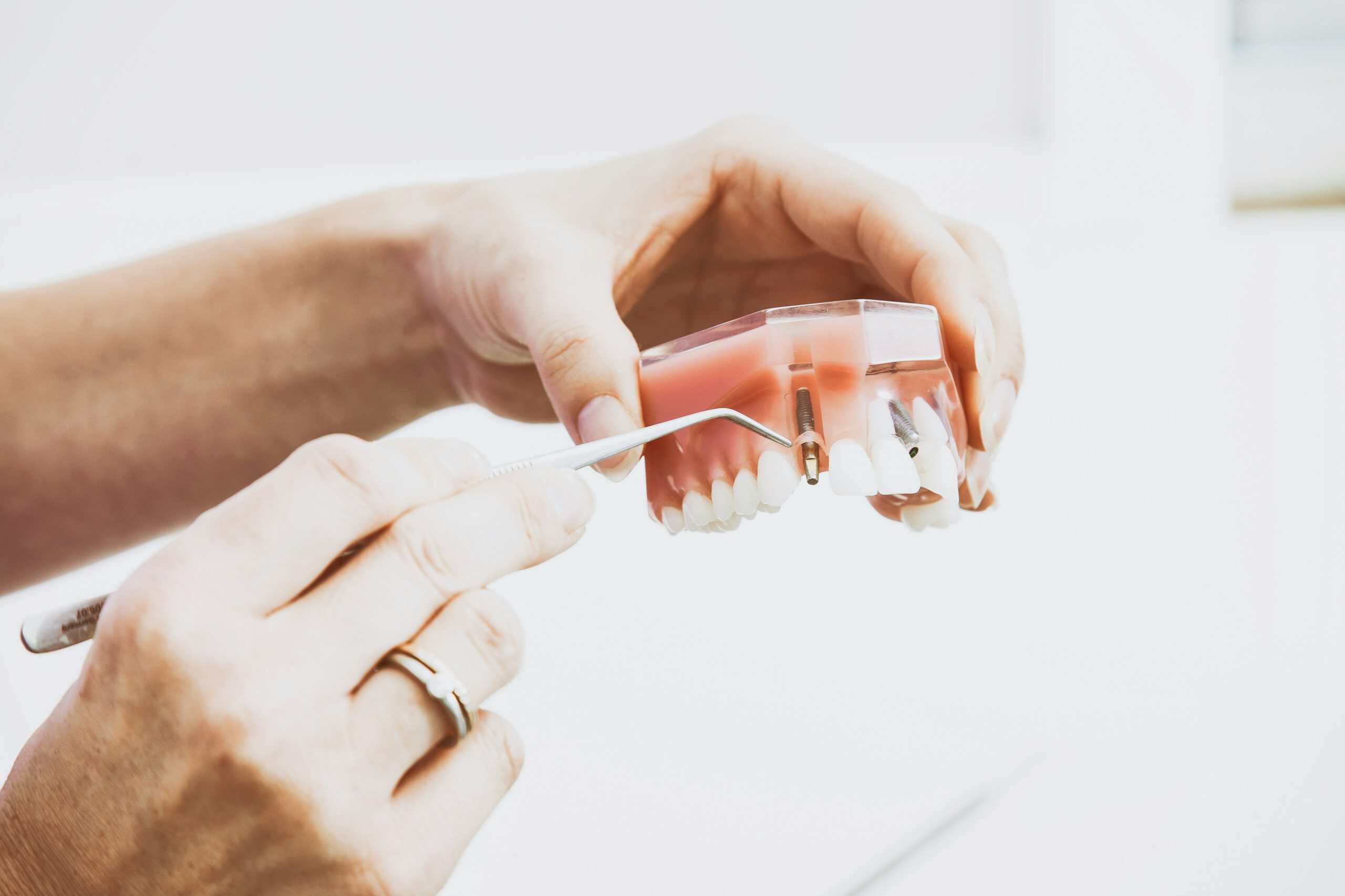
Getting a dental implant involves more than placing a titanium post in the jaw. Your body needs time to heal around the implant, the gums need to recover, and the jawbone must gradually create a strong connection with the implant. Knowing what happens during this period can make recovery feel much more predictable.
For patients considering implant treatment, learning about dental implant healing stages can help set realistic expectations and make it easier to follow post-operative instructions. Although the timeline varies from one patient to another, most recoveries follow a general progression from initial soft-tissue healing to osseointegration and, eventually, placement of the permanent restoration.
What happens during dental implant healing?
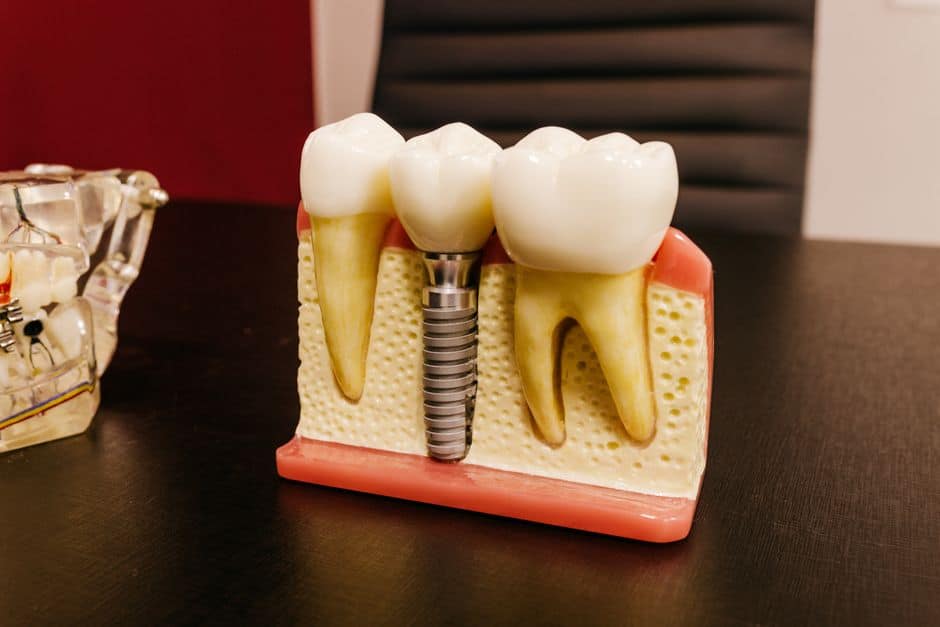
A dental implant is designed to replace the root of a missing tooth. Most implants are made from titanium and are placed directly into the jawbone. Once the implant is positioned, the surrounding bone gradually grows around its surface. This process, called osseointegration, provides the stability needed to support a crown, bridge, or other restoration.
The dental implant healing stages are not identical for every patient. Factors such as bone quality, the number of implants placed, oral hygiene, smoking, general health, and whether a bone graft was necessary can all influence how quickly healing progresses.
For that reason, your dentist should provide a personalized timeline rather than treating a standard recovery schedule as an exact rule.
The first 24 hours after implant surgery
During the earliest dental implant healing stages, protecting the surgical area is especially important because the tissues are still highly sensitive.
The first day is focused on controlling swelling and discomfort. Some bleeding, tenderness, swelling, or bruising can be expected after implant placement. These symptoms are generally most noticeable during the first few days and should gradually improve.
Your dentist may recommend applying an ice pack intermittently during the first 24 hours, resting, taking prescribed or recommended medication, and avoiding strenuous activity. Keeping your head slightly elevated while sleeping may also help minimize swelling.
At this point, one of the most important parts of the dental implant healing stages is protecting the area from unnecessary pressure or irritation. Avoid touching the surgical site with your fingers or tongue, and follow any specific instructions regarding brushing and rinsing.
What to eat after surgery
A soft-food diet can make the first few days more comfortable. Depending on your dentist’s instructions, suitable choices may include yogurt, eggs, mashed vegetables, oatmeal, smoothies eaten without a straw, and lukewarm soups.
Avoid very hot foods and drinks, hard or crunchy foods, sticky foods, and anything that requires aggressive chewing near the implant. Drinking enough water is also important, but avoid using a straw if your dental team has advised against it.
Days 2–7 and early soft-tissue healing
Following the dental implant healing stages closely during this first week can help you recognize normal changes and know when to contact your dental provider.
At this stage, the gums begin repairing themselves around the surgical area. Swelling and discomfort should generally start to decrease rather than become progressively worse.
The dental implant healing stages during this period involve both visible and internal changes. The gum tissue is closing and recovering while the bone beneath it begins the much longer process of integrating with the implant.
Continue following your dentist’s oral hygiene instructions. You may need to brush the surrounding teeth carefully while avoiding direct irritation of the surgical site. Your provider may also recommend a specific rinse.
By the end of the first week, many patients can resume more normal daily activities, depending on the extent of treatment and how they are feeling. Your dentist may schedule a follow-up appointment to evaluate the surgical area and make sure healing is progressing normally.
Weeks 2–6 and the beginning of osseointegration
Although you may feel comfortable during these dental implant healing stages, the implant is still developing its connection with the surrounding bone.
Once the initial soft-tissue healing has progressed, the focus shifts toward the bone surrounding the implant. Osseointegration is one of the most important biological processes in implant treatment because it creates a stable connection between the implant and jawbone.
During this phase, the implant may feel like it is doing very little because there may be few noticeable symptoms. However, significant healing is taking place beneath the gums.
The dental implant healing stages during weeks two through six can look very different from the outside compared with what is happening inside the jaw. A patient may feel completely comfortable while the bone is still developing around the implant.
This is why feeling better does not necessarily mean that the implant is ready for normal chewing pressure. Continue following your dentist’s recommendations about diet, exercise, and oral care.
What can affect osseointegration?
Several factors can influence the speed and predictability of bone integration, including:
- The amount and quality of available jawbone
- Whether a bone graft or other preparatory procedure was required
- Smoking or tobacco use
- Oral hygiene
- Certain medical conditions
- The location and number of implants
- Following post-operative instructions
Your dentist may use X-rays or other imaging during follow-up visits to evaluate the implant and surrounding bone.
Months 2–3 and continued bone integration
These dental implant healing stages are especially important because the implant must develop enough stability before the restorative phase can begin.
During the second and third months, the implant continues becoming more firmly integrated with the jawbone. Many patients have already returned to their usual routines by this point, but that does not mean the biological healing process is finished.
The dental implant healing stages at this point are largely happening below the gumline. The absence of pain is encouraging, but your dentist still needs to determine whether the implant has achieved sufficient stability for the next step in treatment.
Depending on your case, your provider may recommend waiting longer before attaching the final restoration. Patients who have undergone bone grafting may require additional healing time.
Months 3–6 and preparing for the final restoration
Completing these dental implant healing stages allows your dentist to determine when the implant is ready to support the permanent restoration.
For many patients, several months are needed before the implant is ready to support the final crown. The exact timing depends on bone quality, implant location, treatment complexity, and whether additional procedures were performed.
The final portion of the dental implant healing stages typically involves confirming that osseointegration has progressed sufficiently. Once the implant is stable, your dental team can move forward with the restorative phase.
This may involve placing an abutment, taking digital impressions, and creating a custom crown designed to match the color, shape, and proportions of your surrounding teeth.
The final restoration is more than an aesthetic addition. It restores chewing function and allows the implant to function as part of your complete smile.

Signs that healing is progressing normally
While every recovery is different, several changes generally indicate that healing is moving in the right direction. Swelling should gradually decrease, discomfort should become less noticeable, and the gum tissue should continue looking healthier as the surgical area recovers.
During the dental implant healing stages, you should also follow your scheduled appointments even if everything feels normal. Your dentist can identify problems that may not cause obvious symptoms and determine whether the implant is ready for the next phase.
When to contact your dentist
Some discomfort after surgery is expected, but certain symptoms require professional evaluation. Contact your dental provider if you experience severe or worsening pain, swelling that increases after initially improving, persistent bleeding, fever, pus or unusual discharge, or an implant that feels loose.
Do not wait for a scheduled appointment if you develop concerning symptoms. Prompt evaluation can help identify infection or other complications and allow your dental team to address the problem as early as possible.
How to support a successful recovery
Paying attention throughout the dental implant healing stages can help you protect the implant while your gums and jawbone continue to recover.
Your habits can have a meaningful impact on the healing process. Follow your dentist’s instructions carefully, keep the mouth clean as directed, choose nutritious foods, stay hydrated, and avoid smoking.
Good oral hygiene remains important even after the initial recovery period. Once your dentist gives you permission to clean around the implant normally, continue brushing and flossing consistently and attend routine dental examinations.
The dental implant healing stages are easier to navigate when patients understand that feeling better and being completely healed are not always the same thing. Patience allows the jawbone enough time to create the stable foundation needed for the final restoration.
Why choosing the right implant team matters
The quality of care before and after implant surgery can influence your overall treatment experience. A thorough evaluation helps determine whether you have enough bone to support an implant, whether grafting is necessary, and which treatment approach is appropriate for your needs.
Your treatment plan should also account for your healing timeline. Rather than assuming every patient will be ready for a permanent restoration at the same point, your dental team should evaluate your progress and determine when each step can safely move forward.
Understanding the dental implant healing stages before treatment can also help you plan appointments, travel, work, and other responsibilities around your recovery.
Choosing dental implants in Mexico
For patients considering dental implants in Mexico, selecting an experienced implant center with a comprehensive approach to treatment is an important part of the decision. The quality of the initial evaluation, implant placement, follow-up care, and final restoration can all influence your overall experience.
At Pacific Implant Center, patients receive personalized implant treatment designed around their specific dental needs. From the initial evaluation and treatment planning to implant placement, healing appointments, and the final restoration, the team can guide you through each stage of the process.
This comprehensive approach is particularly valuable for patients traveling for treatment because understanding the expected timeline can make it easier to plan appointments and recovery. Your dental team can explain what to expect before the procedure, what activities to avoid during healing, and when you may be ready for the next stage of treatment.
Every patient’s dental implant healing stages can vary, which is why professional monitoring is important when determining when to move forward with each phase of treatment.
Caring for your smile after healing
Completing the dental implant healing stages does not mean that maintenance is no longer necessary. Although an implant cannot develop a cavity like a natural tooth, the surrounding gums and bone still need proper care.
Brush twice a day, clean between your teeth and around the implant as recommended by your dentist, and maintain regular professional examinations. If you grind or clench your teeth, ask your dentist whether a night guard could help protect your restoration.
Healthy habits and routine professional care can help maintain the condition of your implant and surrounding tissues for many years.
A successful implant journey does not end when the surgery is over. Each stage of healing contributes to the stability and function of the final restoration. With appropriate care, professional monitoring, and enough time for the jawbone to heal, dental implants can provide a durable solution for missing teeth and help restore confidence in your smile.
Recent Posts
Dental implant healing stages from surgery to full recovery
Dental implant recovery week by week
Common missing teeth complications and how to prevent them
Early signs of gum disease you should never ignore
Phone
From the USA: 1-866-804-1877
USA Local: (619) 489 7022
From Mexico: (664) 634-0923
Business Hours
Moday – Friday: 9 – 5:30 pm.
Saturday: 9 – 1 pm.
Sunday: CLOSED.