



Early signs of gum disease you should never ignore
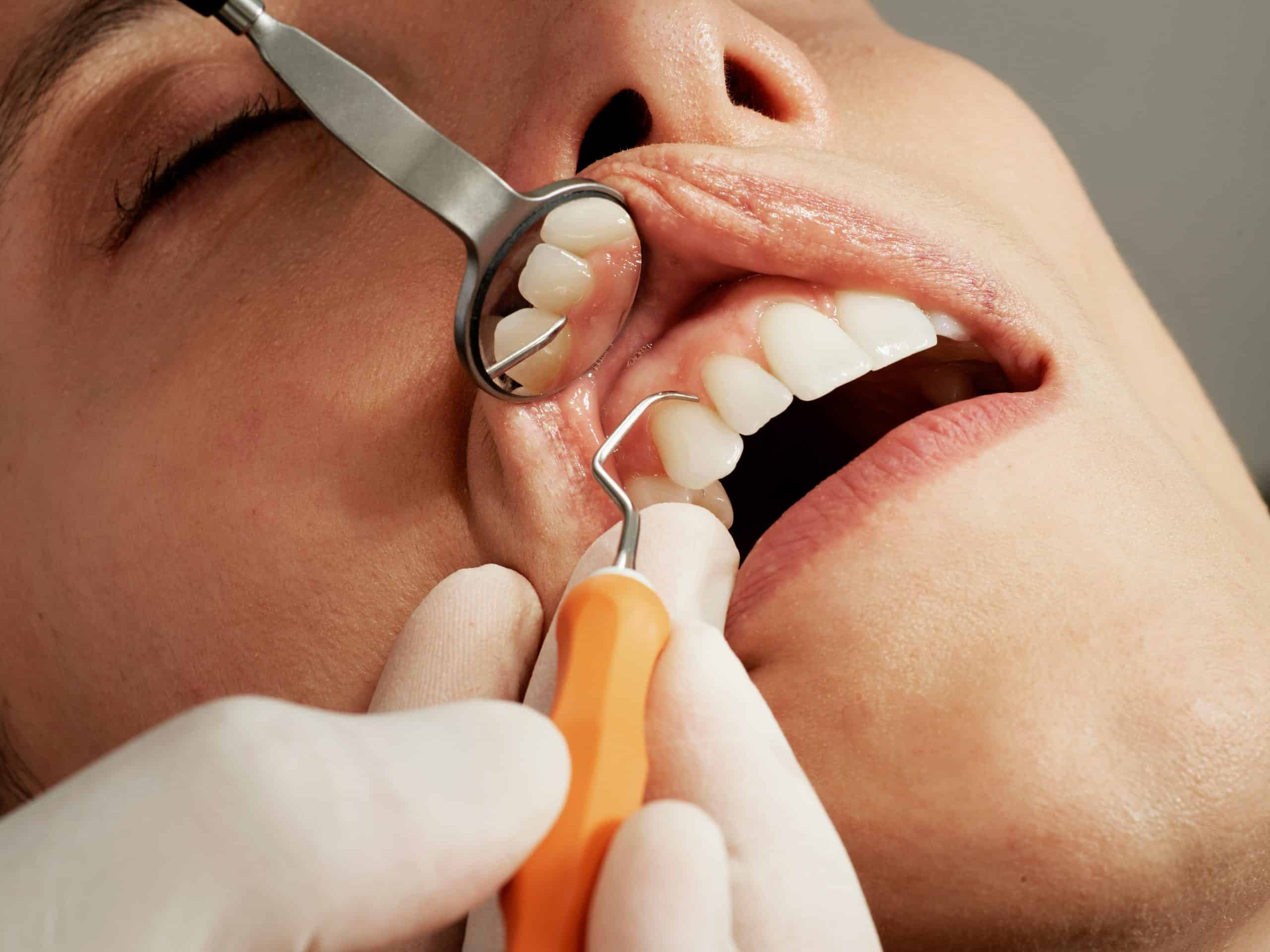
Your gums play a much bigger role in your overall health than many people realize. While most people focus on cavities, whitening, or straightening their teeth, gum health is often ignored until discomfort becomes impossible to overlook. The problem is that periodontal issues usually begin quietly, which is why understanding the early signs of gum disease can make a major difference in protecting your smile.
When inflammation is detected early, treatment is often simpler, faster, and less invasive. Ignoring symptoms, however, can allow bacteria to spread deeper below the gumline, eventually affecting the bone and tissues that support your teeth. Learning how to recognize the early signs of gum disease can help you seek care before the condition becomes more serious.
Why healthy gums matter more than you think
Your gums act as the foundation for your teeth. When they are healthy, they help keep teeth stable, protect sensitive roots, and create a barrier against bacteria. When infection develops, that protective barrier weakens.
Many patients are surprised to learn that gum problems are not only connected to oral discomfort. Research has shown links between periodontal disease and broader health concerns such as diabetes, cardiovascular disease, and chronic inflammation throughout the body.
One of the reasons dentists emphasize the importance of identifying the early signs of gum disease is because the first stage is often reversible. Once the disease progresses into advanced periodontitis, the damage may become permanent and require more complex treatment.
Small changes in your mouth that should not be ignored
Gum disease rarely begins with severe pain. Instead, it often starts with subtle symptoms that are easy to dismiss. Paying attention to these changes can help prevent long-term complications.
Bleeding while brushing or flossing
Healthy gums should not bleed regularly. Occasional irritation may happen if you floss aggressively, but frequent bleeding is one of the most common early signs of gum disease.
Bleeding occurs because bacteria trigger inflammation around the gum tissue. As the gums become irritated, they become more sensitive and prone to bleeding during everyday oral hygiene routines.
Persistent bad breath
Bad breath that does not improve after brushing, flossing, or using mouthwash may indicate bacterial buildup below the gumline. In many cases, chronic halitosis develops because bacteria remain trapped between the teeth and gums.
Patients often overlook this symptom because they assume it is related to food or dehydration. However, persistent bad breath can be one of the early signs of gum disease and should not be ignored.
Swollen or tender gums
Healthy gums are typically firm and light pink. If your gums appear swollen, dark red, shiny, or feel tender when touched, inflammation may already be developing.
Tenderness can sometimes appear in isolated areas at first, especially around teeth where plaque tends to accumulate. Catching these changes early can help prevent infection from spreading further.
Gum recession
Another issue patients frequently miss is gum recession. Teeth may suddenly appear longer, or you may notice increased sensitivity near the roots.
While recession can happen naturally with age, it may also be associated with the early signs of gum disease, especially when accompanied by inflammation or bleeding.

What causes gum disease to develop?
The primary cause of gum disease is plaque buildup. Plaque is a sticky film of bacteria that constantly forms on the teeth. If it is not removed through brushing and flossing, it hardens into tartar.
Once tartar develops, bacteria become more difficult to eliminate at home. Over time, this buildup irritates the gums and creates pockets where bacteria continue multiplying.
Several additional factors can increase the risk of developing periodontal disease:
- Smoking or tobacco use
- Poor oral hygiene habits
- Diabetes
- Hormonal changes
- Chronic stress
- Dry mouth
- Genetic predisposition
- Certain medications
- Teeth grinding
- Poor nutrition
Understanding these risk factors can help patients become more proactive about recognizing the early signs of gum disease before the condition worsens.
The difference between gingivitis and periodontitis
Not all gum disease is the same. The condition generally progresses through two major stages.
Gingivitis
Gingivitis is the earliest stage and is typically characterized by inflammation, redness, bleeding, and mild sensitivity. At this point, the infection has not yet damaged the supporting bone.
This is why recognizing the early signs of gum disease during the gingivitis stage is so important. With professional cleanings and improved oral hygiene, the gums can often return to a healthy state.
Periodontitis
If gingivitis is left untreated, it can progress into periodontitis. During this stage, bacteria begin damaging the deeper tissues and bone supporting the teeth.
Patients may notice loose teeth, gum recession, pain while chewing, or changes in bite alignment. Treatment often becomes more extensive because the goal shifts from prevention to controlling existing damage.

Daily habits that help protect your gums
Preventing gum disease starts with consistency. Small daily habits can significantly reduce bacterial buildup and help keep your gums healthy.
Brush carefully and consistently
Brush your teeth at least twice a day using fluoride toothpaste and a soft-bristled toothbrush. Aggressive brushing can irritate the gums, so gentle circular motions are usually recommended.
Make sure you clean along the gumline where plaque tends to accumulate most heavily.
Floss every day
Flossing removes bacteria and debris from areas your toothbrush cannot reach. Skipping flossing allows plaque to remain trapped between teeth, increasing the likelihood of inflammation.
For many patients, improving flossing habits is one of the most effective ways to reduce the early signs of gum disease before they progress.
Schedule professional cleanings
Even patients with strong oral hygiene habits benefit from professional dental cleanings. Dentists and hygienists can remove hardened tartar and identify potential problems before they become severe.
Routine visits also allow professionals to monitor subtle changes in the gums that patients may not notice on their own.
Pay attention to lifestyle habits
Smoking, high sugar intake, dehydration, and stress can all negatively affect gum health. Improving lifestyle habits may reduce inflammation and support healthier healing throughout the body.
A balanced diet rich in vitamins and minerals can also strengthen gum tissue and support the immune system.
When professional treatment becomes necessary
If symptoms continue despite improving oral hygiene, professional treatment may be needed.
For mild cases, deep cleanings such as scaling and root planing can remove plaque and tartar from below the gumline. Some patients may also benefit from antimicrobial rinses or localized antibiotics.
In more advanced situations, surgical procedures may be necessary to restore damaged tissue or reduce periodontal pockets.
The key is avoiding delays. Many patients wait until they experience pain, but discomfort often appears later in the disease process. Identifying the early signs of gum disease before major symptoms develop can help preserve both your oral health and your natural teeth.
Protecting your smile starts with early action
Ignoring early signs of gum disease can lead to long-term complications that affect both appearance and function. Bleeding gums, persistent bad breath, swelling, sensitivity, and gum recession should never be dismissed as normal.
Recognizing the early signs of gum disease and seeking professional care early can help prevent more invasive procedures later on. Healthy gums are essential not only for maintaining your smile, but also for supporting your overall well-being.
If you notice any of these symptoms, scheduling a dental evaluation as soon as possible is essential. At Pacific Implant Center, we provide personalized dental care designed to help patients protect their oral health and address concerns before they become more serious. If you are looking for a trusted dentist in Tijuana, we are here to help you restore and maintain a healthier smile with personalized treatment and advanced dental care.
Recent Posts
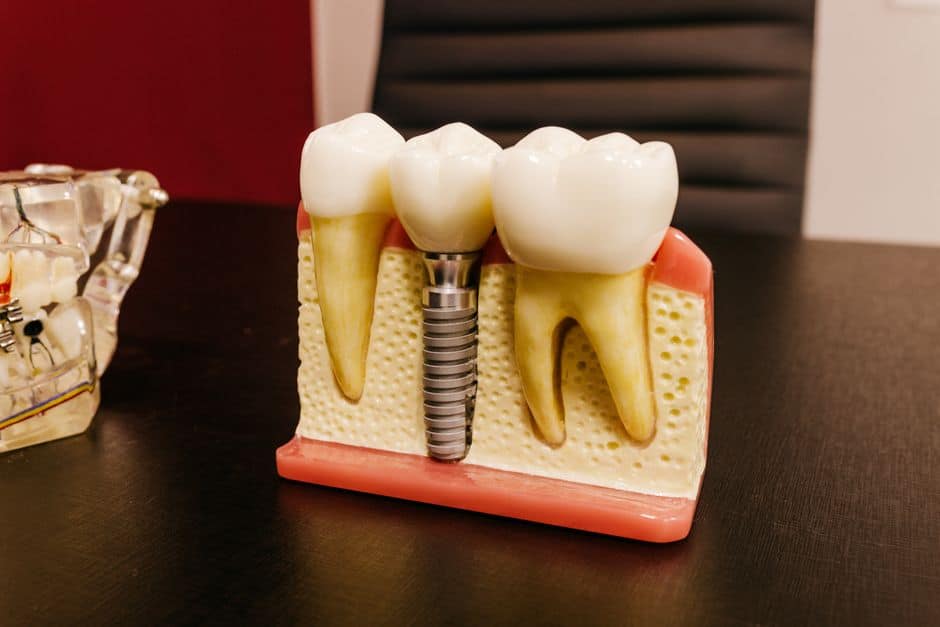
Dental implant healing stages from surgery to full recovery
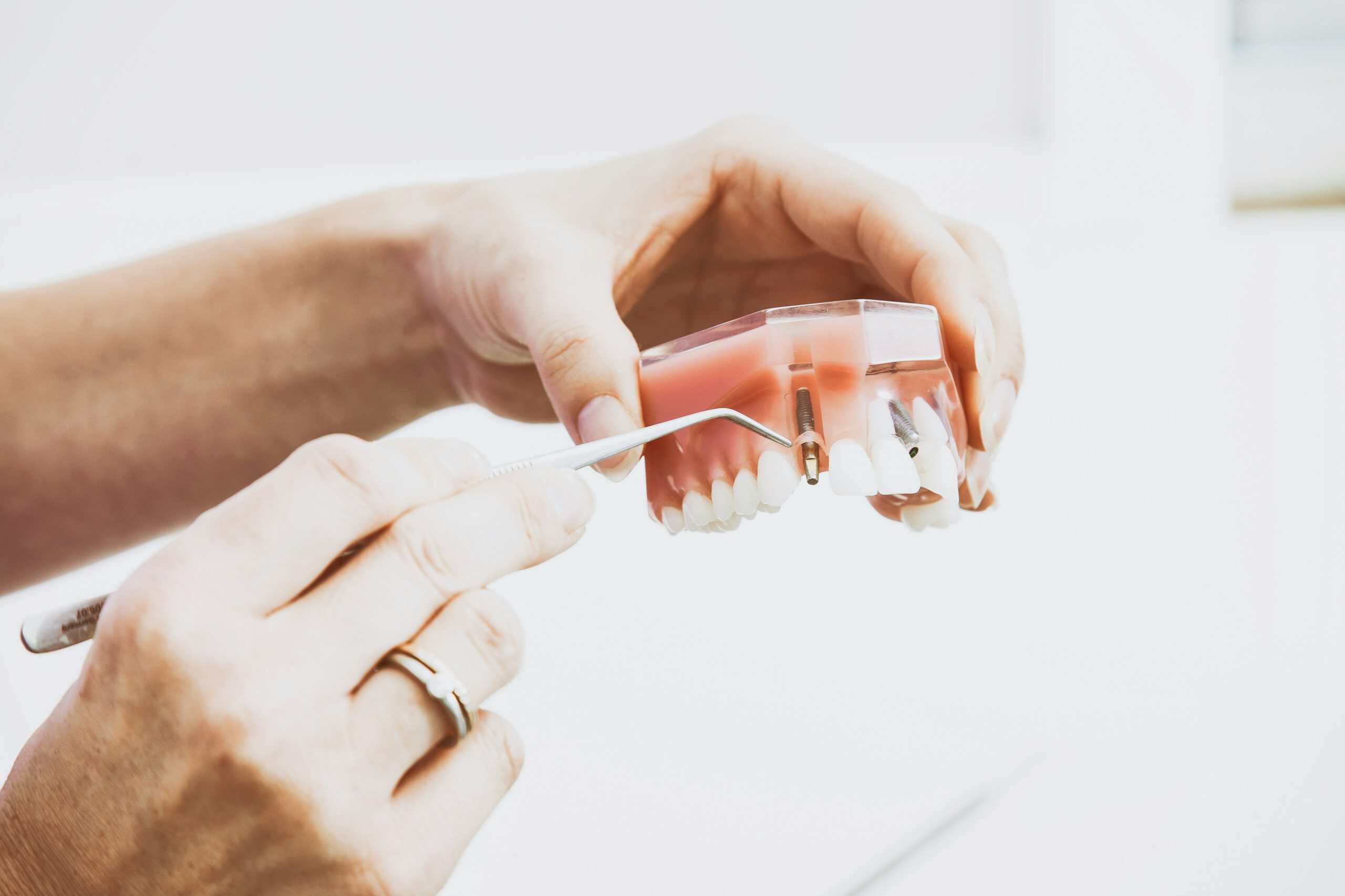
Dental implant recovery week by week
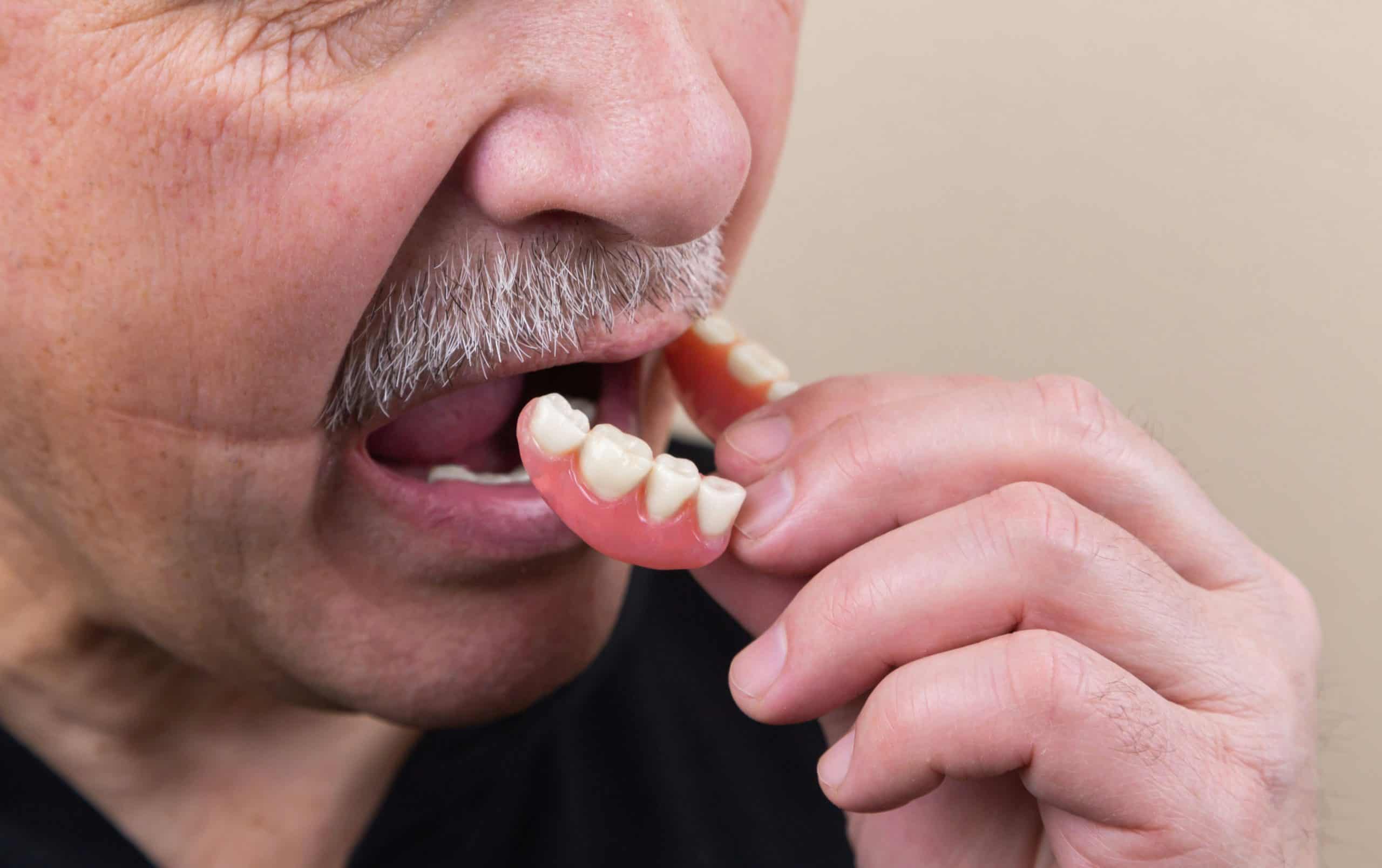
Common missing teeth complications and how to prevent them
Early signs of gum disease you should never ignore
Phone
From the USA: 1-866-804-1877
USA Local: (619) 489 7022
From Mexico: (664) 634-0923
Business Hours
Moday – Friday: 9 – 5:30 pm.
Saturday: 9 – 1 pm.
Sunday: CLOSED.