

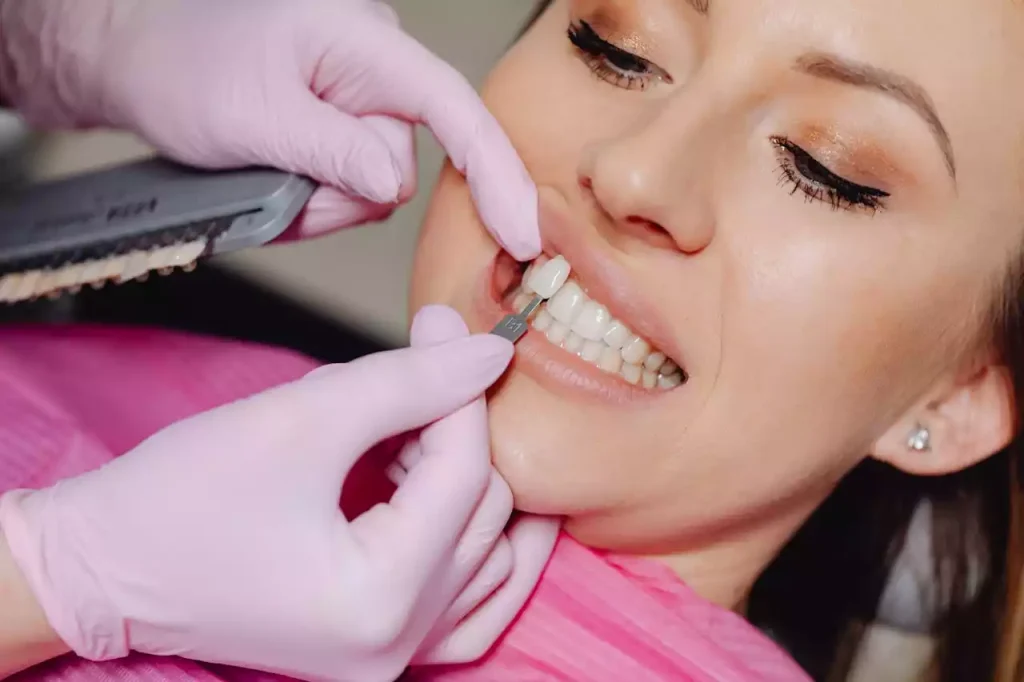

What are veneers and when are they a good option?

Teeth aren’t always perfect, discoloration, chips, uneven spacing, and shape issues can all mess with a smile. That’s where veneers come in. But before jumping into any cosmetic procedure, it’s good to ask the right questions. The most obvious one? What are veneers, and when is it actually worth considering them?
It’s easy to get swayed by the glowing before-and-after pictures on social media. Those dazzling, uniform smiles can look almost too good to be true. But veneers aren’t magic. They’re dental treatments with real pros and cons. Understanding what are veneers is the first step to figuring out if they’re the right solution or if another option might make more sense.
What are veneers?
Understanding what are veneers means looking beyond their aesthetic appeal to also recognize their clinical importance. Veneers are ultra-thin, custom-made shells, commonly crafted from porcelain or composite resin, designed to cover the front surface of teeth. Their main purpose is to enhance the appearance of teeth by correcting issues such as discoloration, slight misalignments, worn enamel, and irregular shapes.
Porcelain veneers are often preferred due to their durability and ability to mimic the translucency of natural enamel. Composite veneers, while more affordable, may not last as long and tend to stain more easily. Regardless of the material, both types aim to create a uniform, balanced, and natural-looking smile.
In addressing the question what are veneers, it becomes clear that this solution goes beyond aesthetics. It also offers structural benefits in certain mild cases of dental wear or minor chips. Yet, the decision to place veneers must be based on a professional evaluation, taking into account the health of the teeth and gums.
When are veneers a suitable option?
Knowing what are veneers also involves understanding when they are indicated. Veneers are considered a suitable option in the following situations:
- Intrinsic discoloration that does not respond to whitening treatments
- Minor chips or cracks that do not affect tooth function
- Slight misalignments or irregular spacing between teeth
- Teeth that are uneven in shape or size
- Mild enamel erosion or wear
In many of these cases, veneers provide a conservative alternative to more invasive procedures, such as crowns or orthodontics. For patients whose teeth are healthy but cosmetically compromised, veneers can deliver excellent results with minimal alteration to the natural tooth structure.
However, for those researching what are veneers, it’s equally important to acknowledge when they may not be appropriate. Patients with severe misalignment, untreated decay, gum disease, or those who habitually grind their teeth may not be ideal candidates. In such cases, alternative or preparatory treatments may be necessary.

Benefits and limitations of veneers
A balanced perspective on what are veneers must include both their advantages and limitations.
Main benefits include:
- Natural appearance and color matching
- Long-lasting results (especially with porcelain)
- Resistance to staining (in the case of porcelain)
- Minimally invasive compared to full crowns
However, veneers are not reversible. During preparation, a small amount of enamel is removed, which means the underlying teeth will always require some form of protection. In terms of longevity, porcelain veneers may last between 10 and 15 years, while composite veneers typically have a shorter lifespan.
Additionally, while porcelain is strong, it is not indestructible. Chipping, fractures, or detachment may occur, especially if habits such as nail biting, chewing on hard objects, or grinding the teeth persist.
Understanding what are veneers should also include the long-term commitment to care and maintenance. Good oral hygiene and regular dental visits are essential for preserving both the veneers and the underlying teeth.
Care and maintenance after veneers
Once the treatment is complete, maintaining the results is crucial. Fortunately, veneers do not require complicated routines, but they do require consistency. Daily brushing and flossing, along with professional cleanings, help extend the life of veneers. It is also advisable to avoid excessively hard foods, wear a protective nightguard if grinding is a concern, and refrain from using teeth as tools.
Even though porcelain is stain-resistant, the bonding material can still discolor over time. Beverages like coffee, tea, and red wine should be consumed in moderation, especially in the first few days after placement.
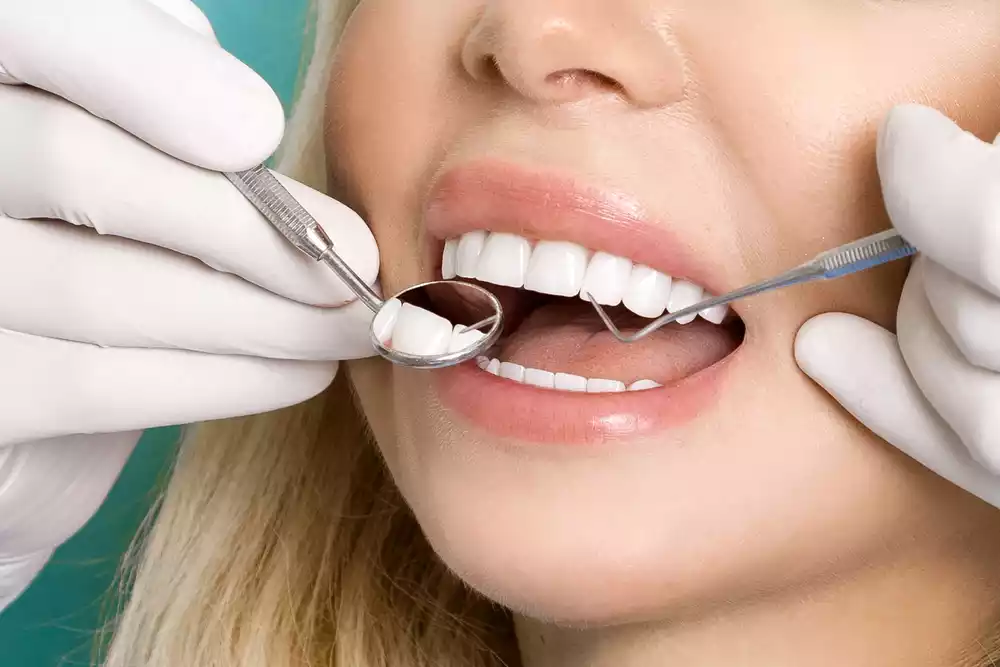
Enhance your smile with confidence and expert care
Understanding what veneers are is essential when considering aesthetic dental treatments. Veneers offer a reliable, minimally invasive option to address discoloration, uneven teeth, and other cosmetic concerns, helping achieve a natural and harmonious smile with long-lasting results.
As a trusted dentist in Tijuana, at Pacific Implants we specialize in providing personalized veneer treatments that prioritize both functionality and aesthetics. Our commitment is to deliver high-quality care through advanced techniques, attention to detail, and a deep understanding of each patient’s unique needs.
Ready to enhance your smile? Contact us today to schedule a consultation and discover if veneers are the right solution for you.
Recent Posts
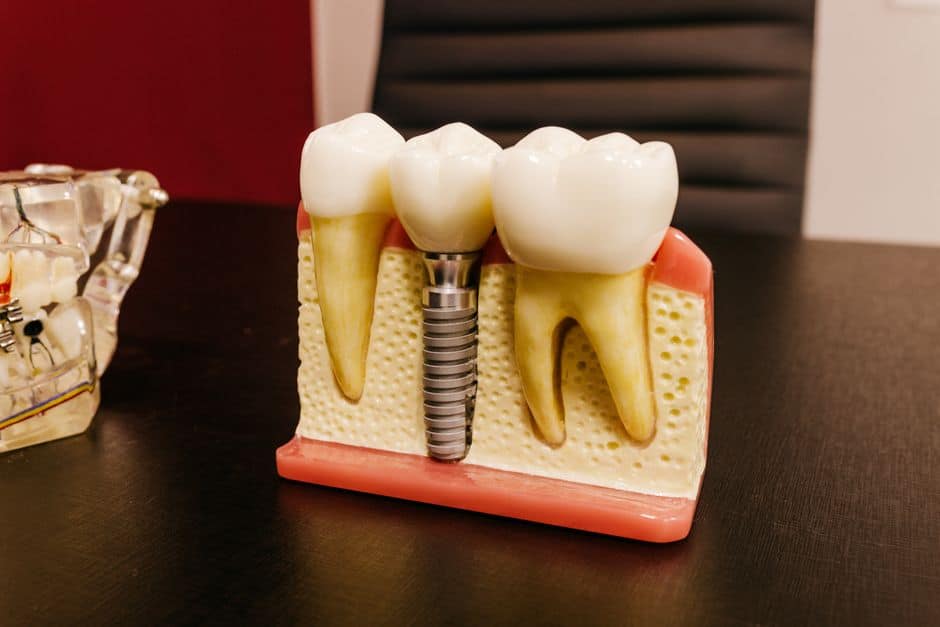
Dental implant healing stages from surgery to full recovery
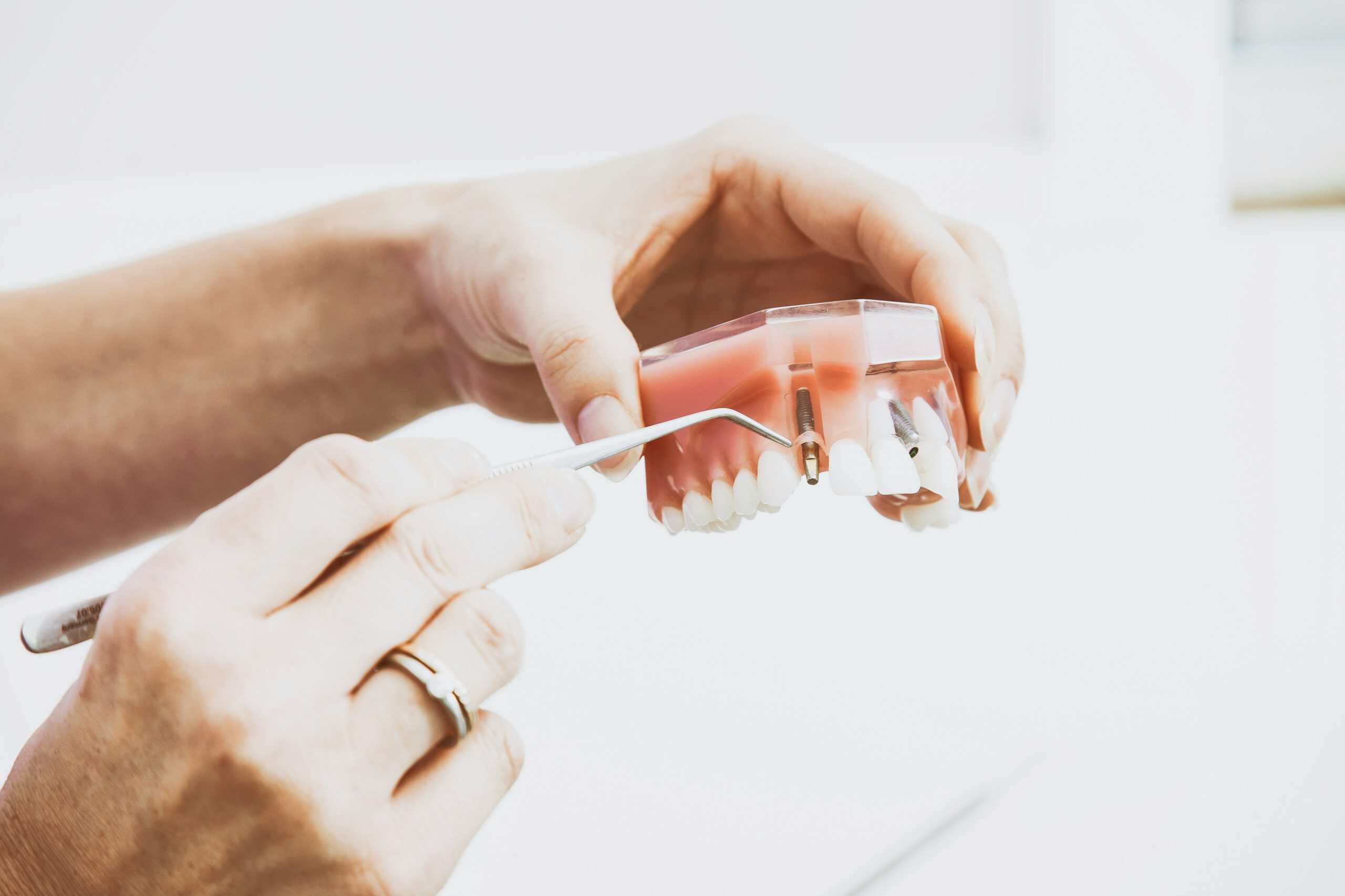
Dental implant recovery week by week
Common missing teeth complications and how to prevent them
Early signs of gum disease you should never ignore
Phone
From the USA: 1-866-804-1877
USA Local: (619) 489 7022
From Mexico: (664) 634-0923
Business Hours
Moday – Friday: 9 – 5:30 pm.
Saturday: 9 – 1 pm.
Sunday: CLOSED.