


How to know if you need braces: Signs to watch for

Understanding how to know if you need braces is important for maintaining not only a straight smile but also proper oral health. Although many people associate braces with teenagers, the truth is that individuals of all ages can benefit from orthodontic treatment. Braces are designed to correct various dental issues, including misalignment, overcrowding, and bite problems.
The misalignment
One of the primary signs in determining how to know if you need braces is misalignment of the teeth. Misaligned teeth can result in a crooked appearance, uneven bite forces, and subsequent oral health problems. It’s important to recognize the signs of misalignment early on for a timely intervention.
- Crooked teeth: If your teeth are visibly crooked or overlapping, this is a clear indicator that braces may be beneficial. Crooked teeth can occur for various reasons, including genetics, childhood habits, and early tooth loss.
- Gaps and spaces: Large gaps or spaces between teeth might be another sign how to know if you need braces. While gaps may only seem like a cosmetic issue, they can lead to food trapping and increased risk of decay.
- Crowding: Crowding occurs when there isn’t enough space in the mouth to accommodate all the teeth, causing them to twist, overlap, or become displaced. This is a key factor in determining how to know if you need braces, as crowded teeth are harder to clean and may lead to cavities and gum disease.
Bite irregularities
Bite issues are also critical indicators for how to know if you need braces. An improper bite can wear down teeth unevenly, cause jaw discomfort, and affect speech and eating capabilities.
- Overbite: This occurs when the upper front teeth excessively overlap the lower front teeth. Beyond affecting aesthetics, an overbite can cause premature wear on front teeth.
- Underbite: An underbite is when the lower teeth extend beyond the upper teeth, typically resulting in jaw misalignment. It’s a significant indicator for how to know if you need braces as it can cause jaw pain and issues with chewing.
- Crossbite: A crossbite occurs when one or more upper teeth bite inside the lower teeth, leading to facial asymmetry and uneven wear patterns.
- Open bite: This happens when there’s an open space between the upper and lower teeth when the mouth is closed. It often results in speech difficulties and problems with biting or chewing.
Jaw and oral health problems
When considering how to know if you need braces, it’s vital to look beyond just the teeth and consider the overall health of the mouth and jaw.
- Jaw pain or clicking: Constant jaw pain or a clicking sound when moving your jaw might indicate misalignment, a common reason for braces or other orthodontic interventions.
- Mouth breathing: Chronic mouth breathing may alter facial growth and tooth alignment, leading to the potential need for braces.
- Difficulty chewing or biting: Problems with biting or chewing food can be another indicator how to know if you need braces. These issues suggest that teeth might not be aligning correctly, affecting your oral function.
- Speech issues: Difficulty pronouncing certain sounds due to misaligned teeth is another sign that braces might be necessary.
Changes over time
Changes that occur over time can also help in determining how to know if you need braces.
- Shifting teeth: If you notice your teeth shifting or becoming more crowded with time, it’s worth consulting with an orthodontist. Shifting teeth can change the bite and affect oral health.
- Jaw growth: As the jaw grows, teeth may become misaligned, increasing the likelihood of requiring braces during late childhood or adolescence.
- Tooth wear: Uneven or excessive tooth wear may signal an underlying bite problem, highlighting the need for braces to correct the issue.

Age-related considerations
People of all ages might need braces, and knowing how to know if you need braces is relevant whether you’re a child, teenager, or adult.
- Children: For children, getting braces can guide jaw growth and ensure incoming permanent teeth align correctly. Be sure to watch for early signs of bite and alignment issues.
- Teenagers: The teenage years are a common time for braces as the jaw is still developing, making teeth easier to reposition.
- Adults: Adults can also benefit from braces to correct long-standing issues or address changes that occur with aging. Advances in orthodontics make treatments more efficient and discreet.
Professional evaluation
Determining how to know if you need braces ultimately requires a professional evaluation from an orthodontist or dentist.
- Consultation: During an orthodontic consultation, the specialist will review your dental history and perform a thorough examination to assess your bite, alignment, and overall oral health.
- Imaging and diagnostics: Utilizing X-rays, digital scans, and photographs, the orthodontist can precisely diagnose issues and recommend the best treatment plan for you.
- Customized treatment plan: If braces are deemed necessary, a customized treatment plan will be designed to address your specific needs. This ensures the most effective and efficient path to achieving a straighter smile and healthier bite.
The advantages of getting braces
Knowing how to know if you need braces and pursuing treatment brings numerous benefits:
- Enhanced aesthetics: A straight smile boosts confidence and self-esteem, improving personal and professional interactions.
- Better oral health: Correct alignment reduces the risk of decay, gum disease, and tooth wear.
- Improved function: Properly aligned teeth improve chewing efficiency, speech clarity, and overall comfort in your mouth.
- Long-term dental stability: Addressing issues now can prevent more complex dental problems in the future, preserving your dental health for years.
Finding the right solution for you
Navigating how to know if you need braces can be complex, but the journey to a healthier, more beautiful smile is well worth the effort. Understanding the signs and seeking professional guidance ensures that you receive the care best suited to your needs.

Trust Pacific Implant Center for exceptional orthodontic care
For those who believe they might need braces and seek the best advice and treatment, consider Pacific Implant Center, renowned as a premier dentist in Tijuana. With a commitment to excellence and patient-focused care, our experienced team will guide you through the process, offering tailored solutions to meet your orthodontic needs. Take the first step towards a healthier and more confident smile by scheduling a consultation with us today.
Recent Posts
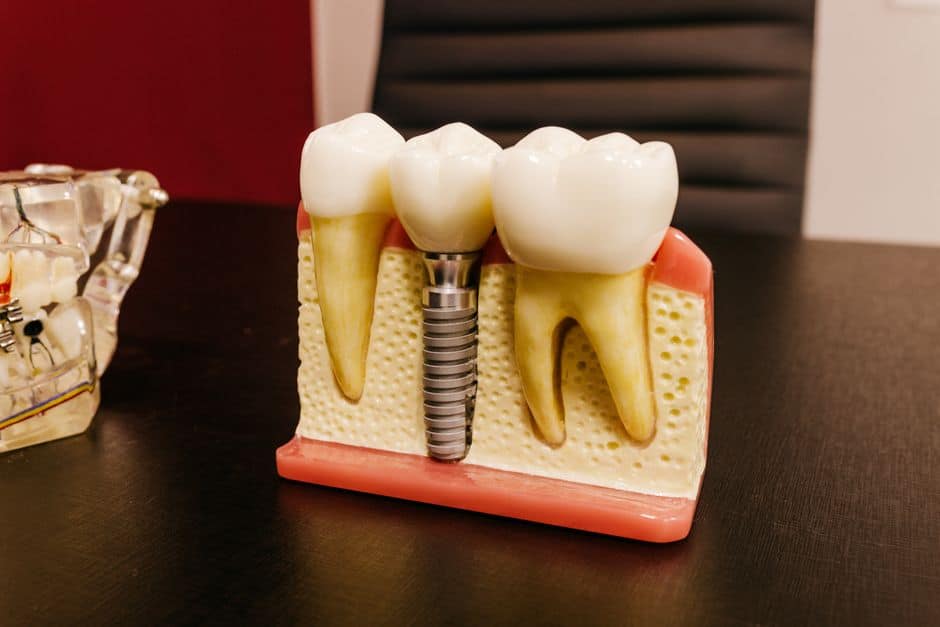
Dental implant healing stages from surgery to full recovery
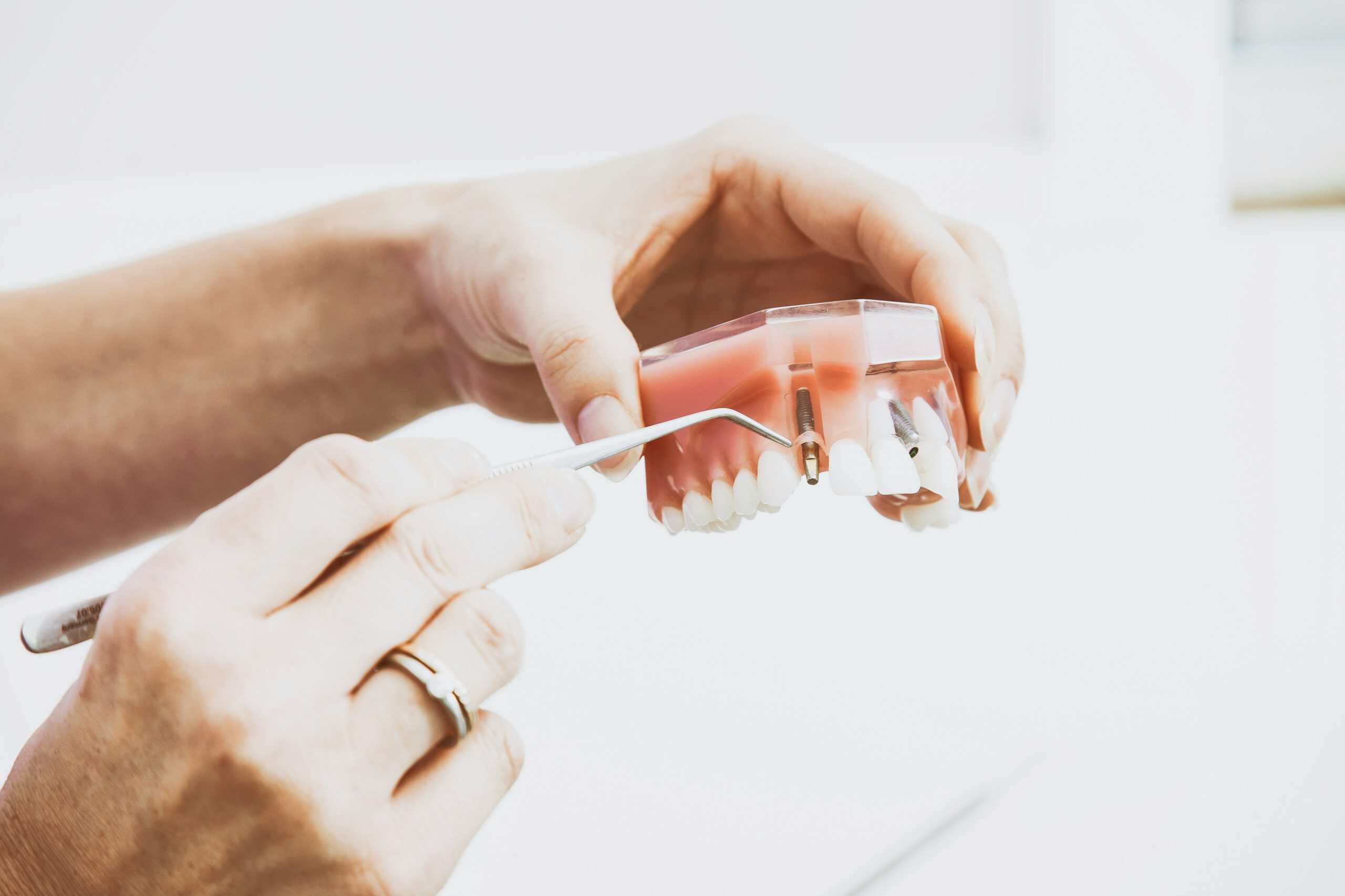
Dental implant recovery week by week
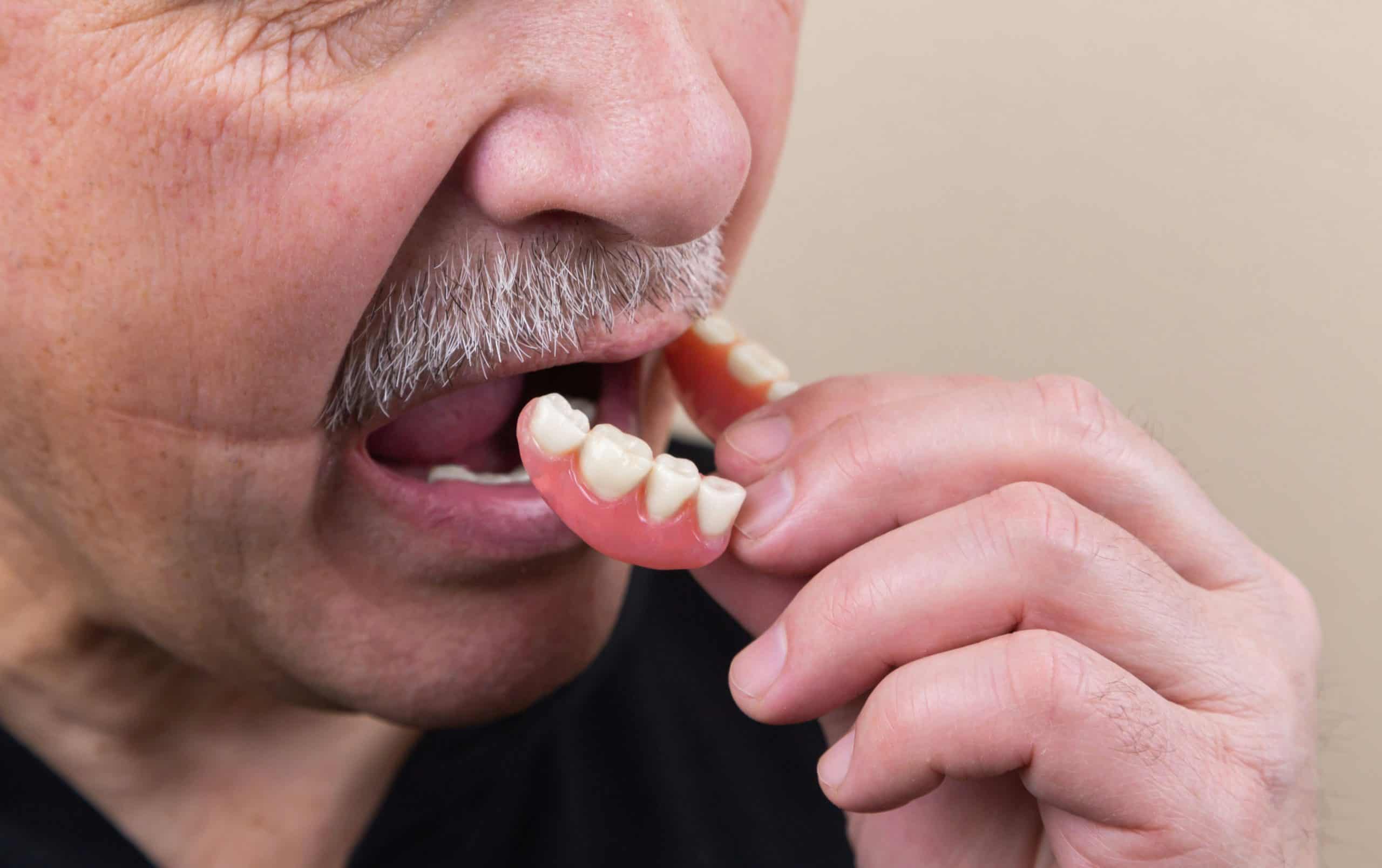
Common missing teeth complications and how to prevent them
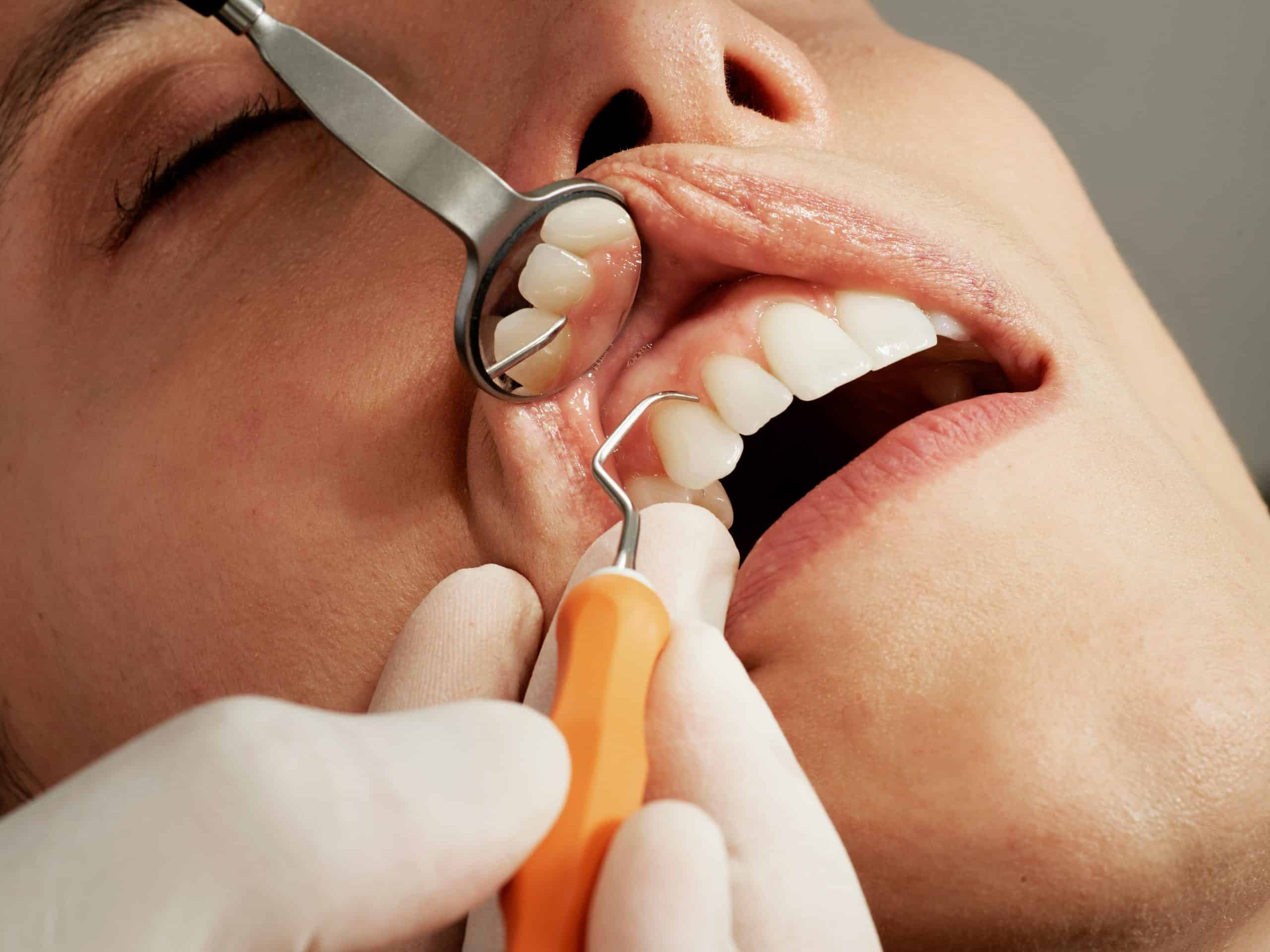
Early signs of gum disease you should never ignore
Phone
From the USA: 1-866-804-1877
USA Local: (619) 489 7022
From Mexico: (664) 634-0923
Business Hours
Moday – Friday: 9 – 5:30 pm.
Saturday: 9 – 1 pm.
Sunday: CLOSED.